
Oeoniella aphrodite
Oeoniella aphrodite
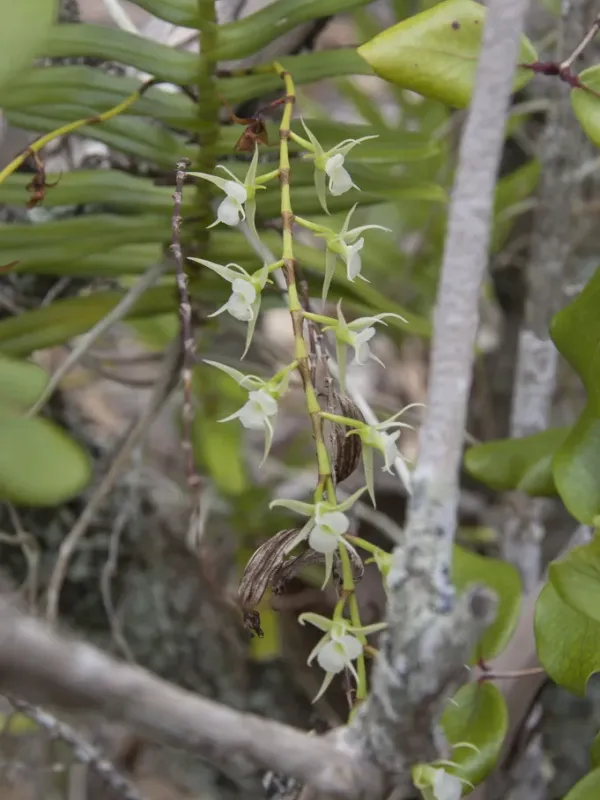
Description
Growing requirements
Oeoniella aphrodite is a distinguished epiphytic orchid species belonging to the Orchidaceae family. Native to the tropical regions of Madagascar and the Mascarene Islands, this plant thrives in warm and humid environments, typical of coastal and lowland forests.
Successful cultivation requires high ambient humidity, ideally maintained between 70% and 85%. In controlled environments, providing consistent moisture levels is essential to mimic the plant's natural habitat and ensure optimal growth rates.
Lighting should be bright but diffused; indirect light is critical to prevent leaf scorching. Many growers utilize 50-70% shade cloth in greenhouse settings or place plants in locations receiving morning sun to avoid the harsh intensity of midday rays.
The temperature range should be kept between 22°C and 28°C during the day, with a distinct nocturnal drop of 5°C. This temperature variation is vital for the physiological health of the plant and helps stimulate successful blooming cycles.
The choice of potting medium is fundamental; it must prioritize air circulation around the root system. A blend of high-quality orchid bark, charcoal, and perlite provides the necessary drainage and structure for healthy epiphytic growth.
Main diseases and pests
The primary pests affecting Oeoniella aphrodite include scale insects and spider mites. These pests typically congregate on the underside of the leaves, where they thrive in environments with low airflow and stagnant humidity.
Root rot is the most common physiological disorder caused by overwatering or using a medium that has decomposed and lost its aeration properties. Symptoms include blackened, soft roots and stunted growth of the main plant.
Fungal infections such as Botrytis or various leaf spot diseases can occur during prolonged periods of damp, cool weather. Proper sanitation and keeping foliage dry after sunset are essential preventative measures against these pathogens.
Regular inspection of the plant is recommended, particularly during the active growing season. Early detection of pests allows for effective treatment with horticultural soaps or specific systemic pesticides without damaging the orchid.
Improving air circulation through the use of small fans in cultivation areas significantly reduces the risk of both pest infestations and the proliferation of harmful fungi, promoting a more vigorous specimen.