
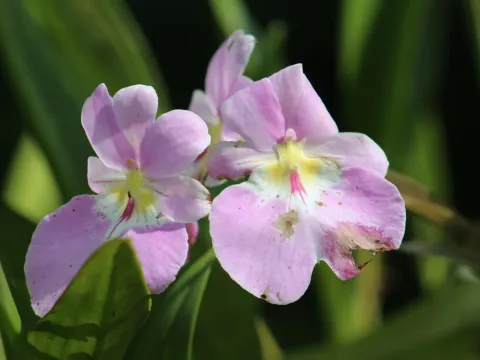
Miltoniopsis
Miltoniopsis
Miltoniopsis is a genus of epiphytic orchids belonging to the Orchidaceae family, often referred to as the "pansy orchid" due to the distinct shape and pattern of its flowers. Native to the cool, misty cloud forests of the Andes in Colombia, Ecuador, and Peru, these plants are highly valued in floriculture for their aesthetic appeal.
What the section contains


Miltoniopsis
Successful cultivation of Miltoniopsis requires a controlled temperature range, mimicking their natural high-altitude environment. Daytime temperatures should be kept between +20°C and +22°C, while night temperatures must drop to +15°C to +17°C to encourage healthy growth and stimulate flowering.
Humidity is the most challenging aspect of their care, as they thrive in an environment with 70–80% relative humidity. In indoor conditions, the use of humidifiers is essential to prevent the leaf tips from turning brown and to ensure that the delicate root system remains hydrated.
The potting medium must be moisture-retentive yet well-draining, typically consisting of fine-grade pine bark, perlite, and sphagnum moss. It is crucial to use a substrate that does not compact easily, as the roots require constant airflow to prevent oxygen deprivation and rot.
Lighting should be bright but indirect; Miltoniopsis are sensitive to strong sunlight, which can easily scorch their thin, light-green leaves. Placing them near east-facing windows or using light-diffusing curtains provides the ideal light intensity needed for photosynthesis without causing thermal stress.
Spider mites are the most common pests that thrive in dry indoor air, quickly attacking the foliage of Miltoniopsis. Regular leaf inspection is recommended to detect early signs of webbing or discoloration, followed by immediate treatment with suitable acaricides.
Root rot, often caused by overwatering or poor drainage, is a lethal threat to the plant. If the roots become blackened and mushy, the orchid must be repotted immediately, with all decayed material removed and the remaining healthy roots treated with a fungicide.
Thrips can be particularly devastating, as they target the developing flower buds, causing malformation or complete failure to bloom. Preventive measures include using sticky traps and periodic applications of systemic insecticides if an infestation is detected.
Bacterial leaf spot occurs when water remains trapped on leaf surfaces in stagnant, cool air. Ensuring proper ventilation around the plant is the best preventive measure to discourage the growth of pathogenic bacteria that thrive in moisture-retaining crevices.
Cultural stress, such as inconsistent watering, often results in "accordion-pleated" leaf growth. This physiological issue is a clear sign that the plant struggled to absorb moisture during its leaf development stage, requiring a more consistent hydration regimen.