
Microtis
Microtis
Microtis is a genus of terrestrial herbaceous plants belonging to the Orchidaceae family. These plants are native to Australia, New Zealand, and surrounding islands, where they inhabit diverse environments, ranging from sandy soils to damp grasslands.
What the section contains


Microtis
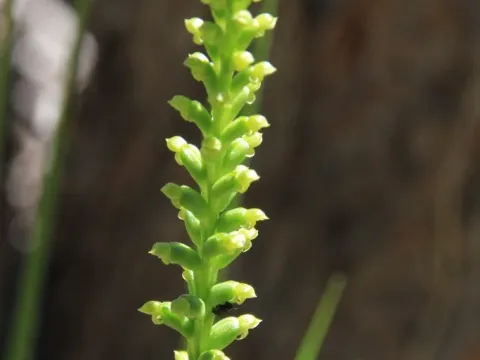
The culture is characterized by its unique morphology: plants typically possess a single, long, hollow leaf that resembles a blade of onion, which is why they are commonly referred to as "onion orchids." The small flowers are arranged in a dense, spike-like inflorescence, creating a distinct botanical signature.
Successful cultivation requires specific climatic conditions that mirror a Mediterranean-like environment. The plant thrives in well-lit locations, although it requires protection from the most intense midday sun to prevent leaf scorching.
Soil requirements are centered on excellent drainage, as the root system, composed of small tubers, is highly susceptible to waterlogging. Ideal substrates are neutral to slightly acidic in pH and should be supplemented with organic matter to ensure healthy nutrient uptake.
In terms of agricultural practice, managing the irrigation cycle during the growing season is crucial. During the dormancy phase, which typically coincides with the dry summer season, irrigation should be significantly reduced to prevent tuber rot.
The primary threats to Microtis include various fungal pathogens triggered by excessive moisture in the growing medium. Root and stem rots are the most prevalent issues encountered when cultivation protocols are ignored.
Among common pests, spider mites and aphids pose the greatest risk, as they target the succulent tissues of the plant. Regular monitoring and the targeted use of systemic insecticides are effective ways to mitigate significant damage.