
Miltoniopsis vexillaria
Miltoniopsis vexillaria
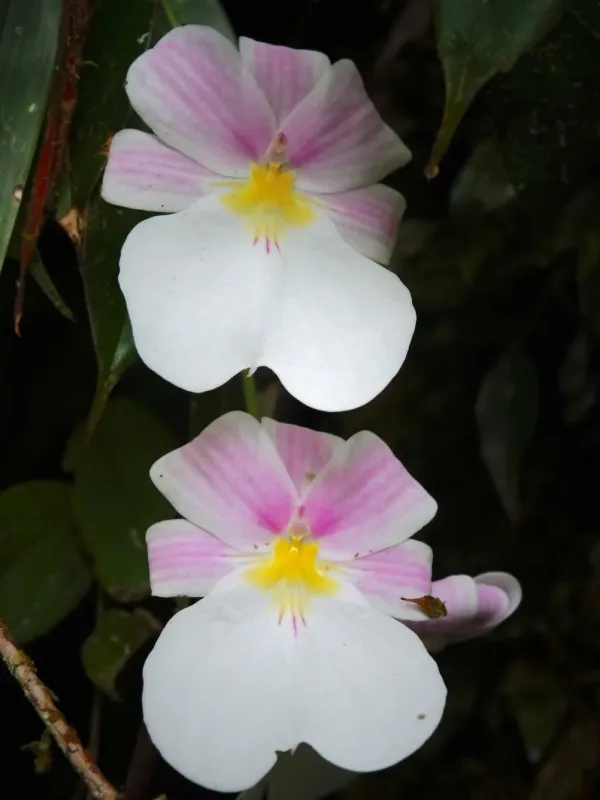
Description
Growing requirements
Miltoniopsis vexillaria is a highly prized epiphytic orchid belonging to the Orchidaceae family. It originates from the cloud forests of Colombia, where it thrives in cool, humid, and shaded environments, earning it the popular name of pansy orchid.
Agricultural success with this species depends on maintaining a cool climate. The ideal daytime temperature range is between 18–22°C, while nighttime temperatures should be cooler, ideally falling between 14–16°C, to ensure healthy bud development.
Humidity management is the most challenging aspect of cultivation. The plants require sustained humidity levels of 60–70%. If the air is too dry, the leaves develop a characteristic accordion-like deformity, which indicates severe physiological stress.
The root system requires a substrate that provides excellent aeration while retaining moisture. A fine-grade fir bark mix combined with perlite and sphagnum moss is the standard professional choice to prevent the roots from drying out entirely.
Light levels should be kept low to moderate. As a cloud forest inhabitant, Miltoniopsis vexillaria cannot tolerate direct, harsh sunlight, which can quickly dehydrate the plant and cause necrotic patches on the leaves.
Main diseases and pests
Common pests include spider mites, mealybugs, and scale insects. These pests thrive in environments with stagnant air, making consistent airflow and regular visual inspections of the foliage essential for prevention.
Root and crown rot are the primary threats caused by excessive moisture or poor drainage. Using high-quality, breathable pots and fungicides as a preventative measure can help mitigate the risk of fungal infections in domestic and commercial setups.