
Microcoelia
Microcoelia
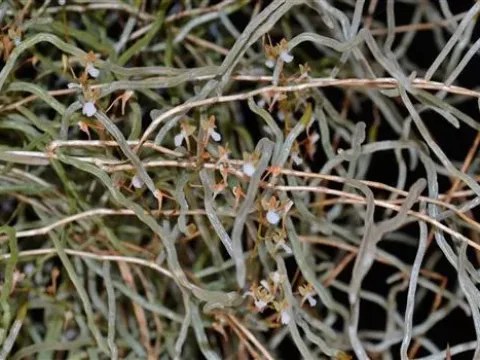
Microcoelia is a fascinating genus of epiphytic orchids belonging to the Orchidaceae family. These plants are uniquely adapted to their environment, as they lack traditional leaves, and their photosynthetic activities are conducted primarily through their extensive, green root systems.
What the section contains

Microcoelia
Native to tropical Africa and various islands in the Indian Ocean, these plants thrive in high-humidity habitats. In the wild, they cling to the bark of trees, absorbing nutrients from rain, mist, and decaying organic matter trapped on the surface of the bark.
Cultivating Microcoelia requires careful management of environmental factors. They require high levels of atmospheric humidity, ideally maintained above 70%, and a consistent, well-ventilated environment to prevent stagnant air conditions.
Temperature management is critical for this genus. They generally prefer warm, tropical conditions, with daytime temperatures between 22 and 28 degrees Celsius and a moderate nighttime drop to stimulate natural physiological cycles.
In terms of light, Microcoelia thrives in bright, indirect light. Intense midday sun can cause severe damage to the roots, so it is recommended to provide filtered light to ensure healthy chlorophyll production and optimal growth rates.
Root rot is the most common health issue for Microcoelia, typically caused by overwatering or inadequate drainage. Proper airflow is essential to ensure that the roots dry out sufficiently between watering sessions.
Pests such as spider mites and scale insects can easily infest the roots if the plant is kept in poor environmental conditions. Regular monitoring and maintaining proper hygiene are key to preventing large-scale infestations.
Fungal pathogens may emerge if the humidity is high without sufficient air circulation. Using a small fan to promote movement of air around the roots can significantly reduce the risk of mold and fungal decay.
Poor water quality, particularly high salinity, can cause chemical burns on the sensitive root velamen. Using distilled or reverse osmosis water is recommended to maintain the longevity of the plant's root system.
Nutrient deficiency can lead to slow growth and weak blooming. Providing a very dilute, balanced fertilizer during the growing season is important, though it should be applied sparingly due to the plant's specialized epiphytic nature.