
Mountain lady's slipper
Cypripedium montanum
Description
Growing requirements
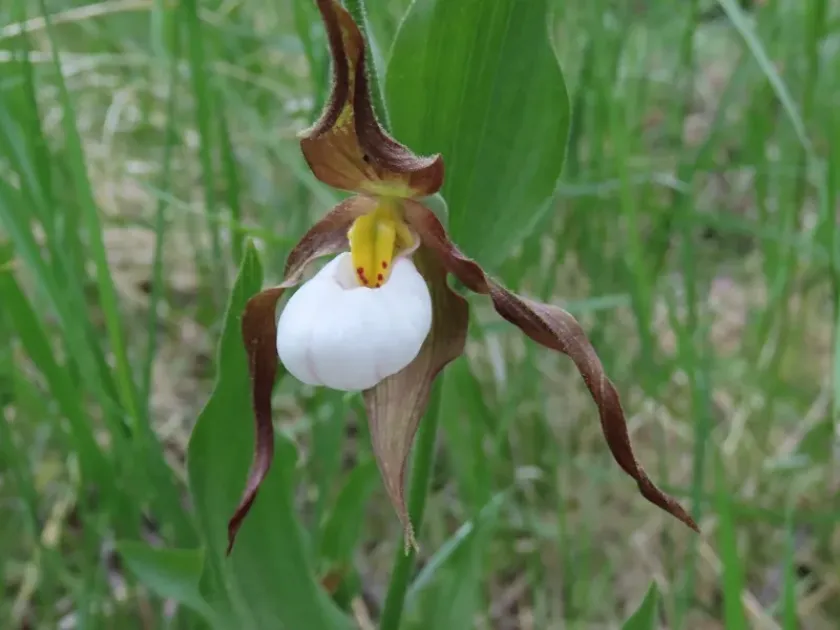
The mountain lady's slipper, or Cypripedium montanum, is an exquisite perennial belonging to the Orchidaceae family. Native to western North America, it is highly sought after by collectors for its elegant, white-lipped flowers and spiraling petals.
Cultivation requirements for this species are strict. It demands a cool environment with high air humidity. In garden settings, it is best placed in partial shade where it is protected from intense afternoon sunlight which can scorch its leaves.
The substrate must be exceptionally well-draining yet capable of holding moisture. A blend of leaf mold, grit, and perlite is often used to replicate the forest floor conditions found in their natural habitat along mountain slopes.
Botanically, this orchid features a short, leafy stem emerging from a sturdy rhizome. Because the plant relies on a mycorrhizal relationship with soil fungi, it is crucial not to over-sterilize the soil or use aggressive chemical fertilizers.
In terms of agricultural use, this plant is strictly an ornamental specimen. It requires patience and attention to detail, making it a masterpiece for shaded rock gardens and specialized plant collections that mimic alpine ecosystems.
Main diseases and pests
Root rot is the most devastating condition for mountain lady's slippers. It is almost always a result of poor drainage or watering during the dormant season when the roots are not actively absorbing moisture.
Gastropods, particularly slugs and snails, are major pests. They can destroy the developing foliage and flower buds overnight. Gardeners often employ physical barriers like copper tape or crushed eggshells to protect the emerging shoots.
Aphids can also be problematic, especially in the spring. They tend to cluster around the flower buds, depleting the plant's energy and causing aesthetic damage to the petals. Soft soap sprays can effectively manage these pests.
Botrytis, or gray mold, can attack the plant during periods of prolonged wet and cool weather. Good air circulation is essential to prevent the spread of fungal spores and ensure the health of the leaves.
It is important to avoid over-fertilization. Unlike common agricultural crops, these orchids are evolved for nutrient-poor environments. High salt concentrations in commercial fertilizers will damage the sensitive root structure.