
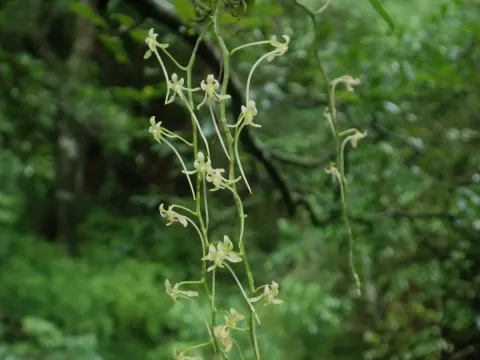
Mystacidium
Mystacidium
Mystacidium is a genus of epiphytic orchids belonging to the Orchidaceae family. Native to the African continent, these orchids primarily inhabit humid forests and coastal regions, growing attached to the bark of trees where they receive abundant air circulation and filtered sunlight.
What the section contains

Mystacidium
The cultivation of Mystacidium requires mimicking its natural environment. These plants thrive in bright, diffused light, avoiding direct sun exposure that can easily scorch their leaves. A location with consistent but gentle airflow is crucial for healthy development.
Temperature requirements are generally moderate, ranging from 18 to 25 degrees Celsius during the day. A slight temperature drop at night is beneficial for metabolic processes and helps induce the flowering cycle during the appropriate season.
Substrate and drainage are of paramount importance. As epiphytes, their roots must not be buried in dense potting mixes. Instead, mounting them on cork bark or using coarse orchid bark in baskets provides the necessary aeration that prevents root asphyxiation.
Humidity should be maintained between 60% and 80%. Regular misting or the use of humidifiers helps sustain the plant during dry periods. Water quality also matters; distilled or purified water is preferred to avoid the buildup of mineral deposits on the delicate roots.
The most common threat to Mystacidium is root rot, caused by stagnant water around the root system. Overwatering combined with poor ventilation creates the perfect conditions for fungal and bacterial pathogens that can destroy the plant in a matter of days.
Pests such as scale insects and mealybugs can pose significant challenges. These insects often hide in the tight spaces between leaf axils, making them difficult to detect until the infestation becomes severe and starts causing visible damage to the plant tissue.
Spider mites represent another risk, especially in environments with low humidity. They feed on plant juices, causing the leaves to lose their healthy green color and eventually leading to a decline in the plant's overall vigor.
Fungal leaf spot diseases may appear if the plant remains wet for too long, especially during cooler nights. Affected leaves should be trimmed back to healthy tissue, and the plant should be treated with appropriate systemic fungicides to halt the spread.
Regular maintenance, including careful inspection of the root system and foliage, ensures early detection of potential threats. Maintaining strict hygiene in the growing area is essential for long-term success with these delicate orchids.