
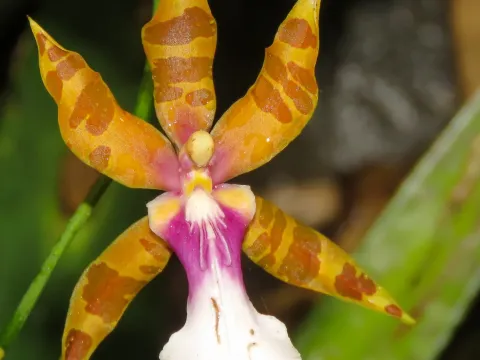
Miltonia
Miltonia
Miltonia is a genus of epiphytic plants within the Orchidaceae family. Originally native to the cool, moist cloud forests of Brazil, these orchids are prized for their flat, pansy-like flowers and strong fragrance. In agriculture and horticulture, they are classified as cool-growing orchids requiring specific environmental parameters.
What the section contains


Miltonia
The optimal temperature range for Miltonia is between 18°C and 24°C, with a preference for cooler night temperatures which stimulate flowering. Excessive heat or direct sunlight should be avoided, as these factors typically lead to rapid leaf dehydration and plant exhaustion, hindering the plant's ability to produce pseudobulbs.
A high-quality, free-draining medium is essential for root health. A mixture consisting of pine bark, charcoal, and perlite or sphagnum moss provides the necessary aeration and moisture retention. The substrate must be replaced annually or biennially to prevent acidification and salt accumulation from fertilizers.
Miltonia requires bright, diffused light rather than intense direct sun. In greenhouse conditions, shading systems are often employed to maintain light levels at approximately 10,000–15,000 lux. Consistent humidity levels of 60% or higher are critical, as low humidity commonly causes the leaves to grow in a pleated "accordion" pattern.
Watering frequency depends on the moisture level of the medium; the goal is to keep the roots constantly moist but never waterlogged. Using reverse osmosis or distilled water is recommended, as these plants are highly sensitive to mineral salts and chlorine found in standard tap water.
Common pests include spider mites, which thrive in low-humidity environments, and mealybugs that congregate near the base of the plant. Regular monitoring of the underside of leaves is necessary to detect early infestations and prevent significant damage to the plant's vascular system.
Botrytis (gray mold) is a prevalent fungal disease that manifests as small dark spots on the blossoms, particularly when humidity is high and air circulation is insufficient. To mitigate this, fans should be used in cultivation areas to keep the foliage dry.
Root rot, often caused by Pythium or Phytophthora, is the most common cause of mortality in Miltonia. This condition usually results from improper drainage or overly frequent watering, which creates an anaerobic environment within the pot where pathogens proliferate rapidly.
Bacterial soft rot can cause sudden collapse of the pseudobulbs, producing a foul odor. Infected sections must be cut away immediately with a sterilized tool, and the cut surfaces should be treated with a disinfectant or fungicide to prevent further spread.
To ensure plant longevity, integrated pest management (IPM) practices should be followed, including the use of biological controls where possible. Proper sanitation of tools and the growing area remains the most effective defense against the wide range of pathogens that target this delicate orchid genus.