
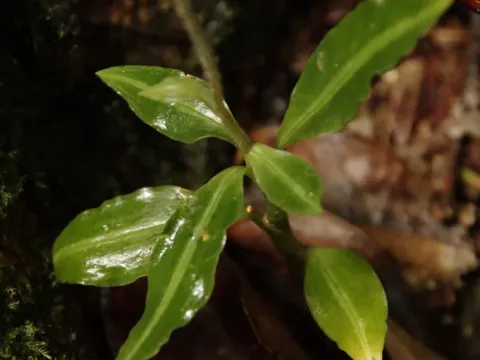
Microchilus
Microchilus
Microchilus belongs to the jewel orchid group, and as such, it is not typically propagated via seeds in common agricultural or hobbyist practices. The standard method for propagation is vegetative, utilizing stem cuttings or division of existing rootstocks.
What the section contains


Microchilus
The optimal time for propagation is during the active growth phase, which usually begins in late winter or early spring. This allows the newly cut fragments to establish roots while the plant has maximum metabolic energy.
For propagation, a moisture-retentive but well-aerated substrate is required. A mixture of long-fibered sphagnum moss and fine bark chips is considered the industry standard for encouraging root development in cuttings.
Cuttings should be placed in a humid environment, often within a closed propagation chamber or a small greenhouse. Maintaining a constant temperature of about 23–25 degrees Celsius is critical for success.
Successful rooting typically occurs within several weeks. Once the new root system is established, the plants are gradually acclimatized to lower humidity levels to harden off the foliage before final potting.
Microchilus is a genus of tropical orchids within the Orchidaceae family, native to the shaded forest floors of Central and South America. They are prized by collectors for their striking foliage rather than their flowers.
Cultivation requires high relative humidity, ideally between 75% and 85%. Because of these specific needs, Microchilus is most successfully grown inside terrariums or enclosed glass cases where the microclimate can be strictly managed.
The growing medium must be loose, acidic, and well-draining. A mix of organic matter, such as peat, perlite, and fine orchid bark, provides the necessary structure to keep the roots oxygenated while retaining essential moisture.
These plants are highly sensitive to direct sunlight. In their native habitat, they grow under dense forest canopies, so they should be kept in bright, indirect, or filtered light to prevent leaf scorching and discoloration.
Watering should be done with soft, room-temperature water. It is essential to avoid water logging the substrate, as this plant is prone to root rot if left in saturated conditions for extended periods.
The primary threats to Microchilus are fungal infections caused by excessive moisture and poor air circulation. Stagnant water around the roots or in the leaf axils often leads to rapid decay of the entire stem.
Spider mites are a significant pest, particularly in environments with low humidity. They thrive on the undersides of leaves, causing yellowing and eventual wilting of the foliage if left untreated.
Mealybugs can also infest the plant, hiding in the junctions between leaves and stems. Their presence is often marked by a white, cottony substance, which requires immediate intervention with appropriate insecticides.
Preventive measures include regular inspection of the plants and maintaining good airflow within the terrarium. Keeping the foliage dry during watering significantly reduces the incidence of bacterial and fungal leaf spots.
- Use of systemic fungicides to manage early fungal growth.
- Regular cleaning of the enclosure to prevent pest outbreaks.
- Avoidance of overcrowding plants to ensure better air movement.