
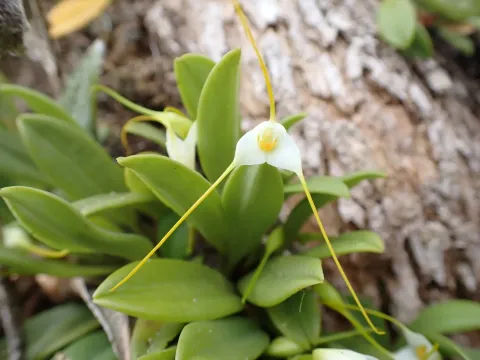
Masdevallia
Masdevallia
Masdevallia is a diverse genus of epiphytic and lithophytic plants belonging to the Orchidaceae family. Native to the cool, misty cloud forests of the Andes in South and Central America, these orchids are prized for their unique, often triangular-shaped flowers that appear throughout the year.
What the section contains
 Masdevallia abbreviata
Masdevallia abbreviata
Masdevallia abbreviata
 Masdevallia adrianae
Masdevallia albella
Masdevallia albella
Masdevallia adrianae
Masdevallia adrianae
Masdevallia albella
Masdevallia albella
 Masdevallia aurea
Masdevallia aurea
Masdevallia aurea
 Masdevallia caudata
Masdevallia caudata
Masdevallia caudata
 Masdevallia coccinea
Masdevallia coccinea
Masdevallia coccinea
 Masdevallia davisii
Masdevallia davisii
Masdevallia davisii
 Masdevallia eucharis
Masdevallia eucharis
Masdevallia eucharis
 Masdevallia hydrae
Masdevallia hydrae
Masdevallia hydrae
 Masdevallia ignea
Masdevallia ignea
Masdevallia ignea
 Masdevallia pumila
Masdevallia pumila
Masdevallia pumila
 Masdevallia rana-aurea
Masdevallia rana-aurea
Masdevallia rana-aurea
 Masdevallia tovarensis
Masdevallia tovarensis
Masdevallia tovarensis
Masdevallia
Successful cultivation requires strict adherence to cool growing conditions. The genus thrives in environments with daytime temperatures between 18°C and 22°C, while night temperatures should ideally drop to 12°C–15°C. Excessive heat is the primary cause of plant decline and metabolic failure in this species.
Humidity management is essential, with levels ideally maintained between 70% and 85%. Because Masdevallia lacks pseudobulbs, it has very limited capacity for water storage, necessitating a consistent moisture supply to the root zone and a high-humidity atmosphere to prevent desiccation.
The substrate must be light, airy, and moisture-retentive. A common potting mix includes fine-grade pine bark, chopped sphagnum moss, and perlite. Repotting is typically performed once the old medium begins to break down to ensure adequate oxygen circulation around the root system.
Good air circulation is vital to prevent stagnant conditions that encourage fungal growth. Growers must ensure a constant, gentle breeze around the plants, which also assists in cooling the leaves and preventing the accumulation of water in the axils of the foliage.
Spider mites are the most common pest, especially in environments where humidity levels are not properly maintained. Regular scouting and maintaining high ambient humidity are the most effective preventive measures against infestation.
Fungal and bacterial rots are significant threats, particularly when plants are exposed to poor air movement or waterlogged soil. If rot is detected, the affected tissue should be removed immediately using sterilized instruments, followed by the application of systemic fungicides to stop the infection.