
Madeira orchid
Dactylorhiza foliosa
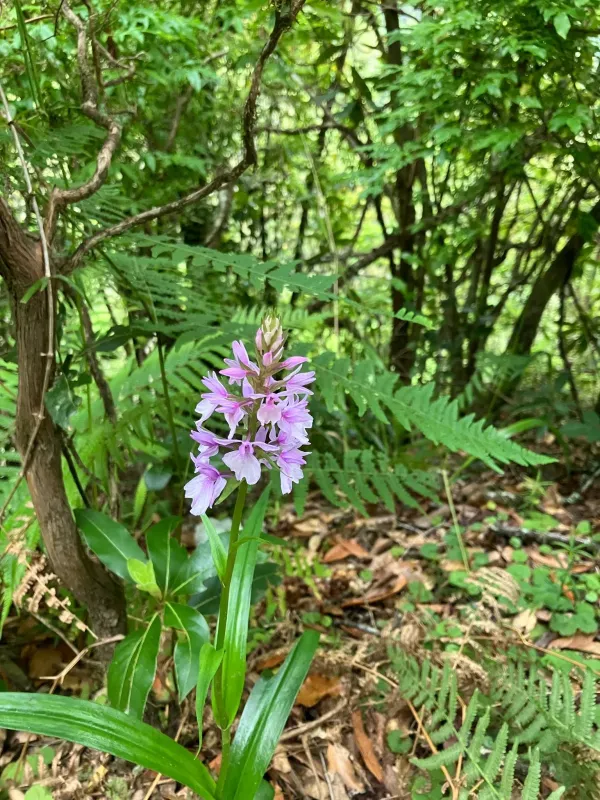
Description
Growing requirements
The Madeira orchid (Dactylorhiza foliosa) is a robust perennial belonging to the Orchidaceae family. Native to the island of Madeira, this species is highly valued in horticulture for its impressive height and dense spikes of pink-purple flowers.
To thrive, this orchid requires soil that is rich in organic matter and consistently moist but free-draining. Waterlogging is detrimental to the plant, as it causes the dactyl-shaped tubers to rot quickly.
Optimal site selection is crucial for the success of this culture. It prefers partial shade, making it an excellent candidate for woodland gardens where it can receive filtered light through a canopy of trees.
In terms of agricultural maintenance, the plant benefits from a light mulch of leaf mold or compost applied in the spring. This helps retain soil moisture and provides the necessary nutrients for vigorous growth.
Hardiness is a key factor; while it is more resilient than many tropical orchids, it requires protection from severe frost. In colder climates, covering the crown with horticultural fleece or mulch is a standard practice for survival.
Main diseases and pests
The most persistent pests for Dactylorhiza foliosa are slugs and snails. These creatures find the young, succulent shoots particularly appealing and can cause significant damage to the plant's aesthetic value in just one night.
Root rot is a major threat linked to poor soil drainage. When the roots remain in saturated soil for too long, they lose their ability to respire, eventually leading to the total decline of the plant specimen.
Fungal infections, such as Botrytis, can occur during periods of high humidity and poor air circulation. Ensuring sufficient spacing between individual plants helps mitigate the risk of these pathogens spreading.
Aphids may occasionally infest the developing flower spikes. Monitoring during the early spring is essential to catch these outbreaks early and prevent the distortion of the inflorescences.
To maintain a healthy garden, always remove and dispose of any plant tissue showing signs of decay or viral infection. Good hygiene practices are the primary defense against long-term threats to the orchid population.