
Govenia lagenophora
Govenia lagenophora
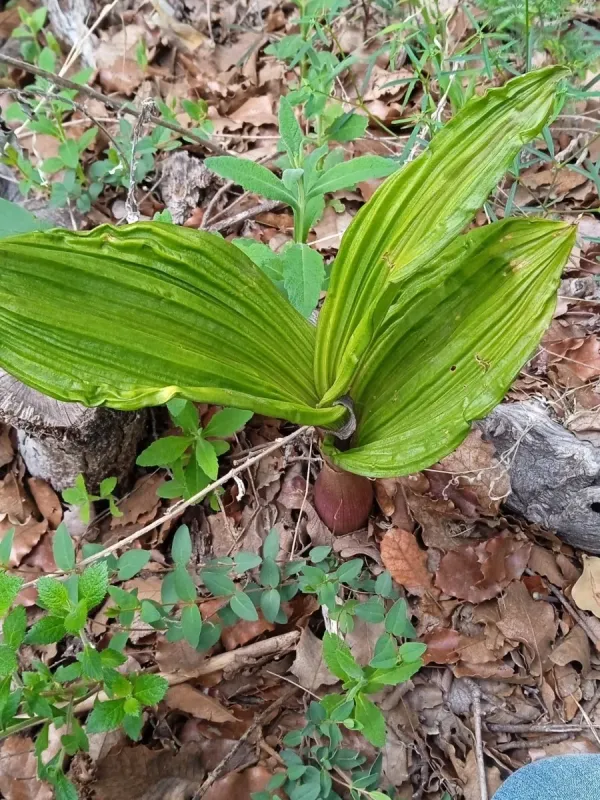
Description
Growing requirements
Govenia lagenophora is a terrestrial orchid species belonging to the family Orchidaceae. Unlike many popular epiphytic orchids, this plant grows directly in the ground, utilizing its specialized pseudobulbs to store moisture and nutrients, which allows it to thrive in its native forest habitats.
The origin of this species is traced back to the mountainous forests of Mexico and Central America. In its natural range, it prefers the dappled shade provided by canopy trees, which protects it from the harsh, direct ultraviolet radiation that would otherwise scorch its foliage.
Successful cultivation of Govenia lagenophora requires a porous and highly aerobic substrate. Growers typically use a mixture of bark, charcoal, perlite, and decomposed organic matter to ensure that the root system has adequate drainage while retaining just enough moisture to sustain the plant.
Climate control is paramount for this orchid, as it requires a humid environment with good ventilation. An ambient humidity level of 60% to 70% is considered ideal. Stagnant air often leads to the development of opportunistic bacterial infections, so growers should ensure constant airflow around the plants.
Temperature management should mimic the moderate mountain climate. The plant performs best when daytime temperatures remain within the +20°C to +24°C range. A significant diurnal temperature fluctuation, where nights are at least 5 degrees cooler, is essential for healthy growth and blooming.
Main diseases and pests
The most significant threat to Govenia lagenophora is root rot, which typically stems from poor substrate aeration or overwatering. Once rot settles into the pseudobulbs, the plant may decline rapidly, making proactive watering management and high-quality drainage the most effective defensive strategies.
Pest pressures include common orchid pests such as spider mites, mealybugs, and scale insects. These pests feed on sap and can cause significant damage if left untreated. Integrated pest management, including regular inspection and the judicious use of horticultural soaps or pesticides, is required to maintain plant health.