
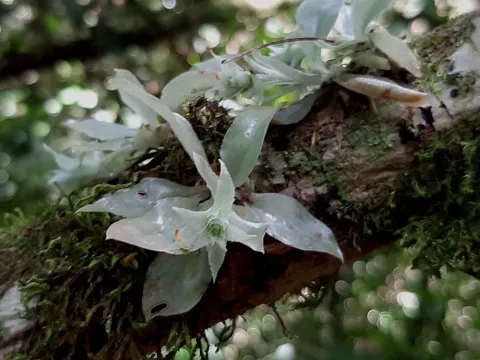
Eurystyles
Eurystyles
Eurystyles is a fascinating genus within the Orchidaceae family, known for its small, clustered inflorescences and specific epiphytic habits. These plants are native to the tropical forests of the Americas, thriving in high-humidity, shaded canopy environments.
What the section contains
Eurystyles
Cultivation of Eurystyles requires a delicate balance of moisture and airflow. These orchids are best grown in mounted conditions, such as on pieces of cork bark or tree-fern slabs, wrapped with a small amount of live sphagnum moss to retain essential moisture.
The climate requirements involve maintaining a constant, temperate environment throughout the year. They prefer high ambient humidity, typically ranging from 70% to 90%, and dislike significant drops in temperature that could stress the plant tissues.
Light levels for Eurystyles should be diffused or indirect. Harsh, direct sunlight will quickly scorch the delicate leaves and dehydrate the root system, which is adapted to absorb moisture directly from the humid forest air.
Watering must be performed with great care, using only distilled or reverse osmosis water to prevent mineral buildup. The growing media must allow for rapid drainage, ensuring that roots are never allowed to sit in stagnant water for prolonged periods.
The primary threats to Eurystyles are fungal and bacterial infections caused by poor ventilation and water stagnation. When humidity is high but air circulation is lacking, the risk of rot in the crown and roots increases significantly.
Pests such as spider mites and mealybugs frequently target these orchids. Their small, tight foliage provides many hidden spots for these pests to colonize, making regular manual inspection an essential part of routine plant care.
To mitigate these threats, maintain a consistent gentle breeze around the plants. This movement of air helps to dry off excess moisture from the leaves and discourages the establishment of fungal spores or pest populations.
Biological control methods are preferred for this genus, given the sensitive nature of the plant's root system. If chemical intervention is necessary, it is vital to avoid oil-based sprays that may clog the pores of the leaves.
Consistent hygiene practices, such as removing dead organic matter from the mount and cleaning the growing area, are crucial. A clean, stable, and well-aerated environment remains the most effective defense against plant stress and disease.