
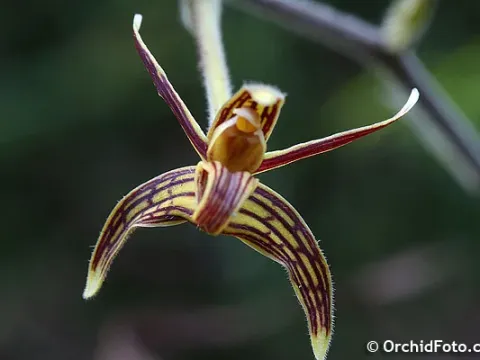
Eriodes
Eriodes
Eriodes is a genus of epiphytic plants belonging to the Orchidaceae family. It is a monotypic genus that includes the species Eriodes barbata, known for its unique botanical traits and specific growth requirements.
What the section contains

Eriodes
In its natural habitat, the plant is found in the tropical regions of the Himalayas and Southeast Asia. It thrives in humid mountain forests, growing on tree trunks and branches, which characterizes its epiphytic nature.
Successful cultivation requires conditions as close to tropical as possible: high relative humidity (above 70%) and a stable temperature range. The plant is extremely sensitive to sudden temperature fluctuations and direct sunlight, preferring bright, diffused light.
The root system of Eriodes requires a specialized substrate that ensures excellent aeration and rapid water drainage. A mixture of coniferous bark, charcoal, and sphagnum moss is commonly used to allow the roots to breathe without risking decay.
Economically, Eriodes is primarily valued as an ornamental plant for greenhouses and rare orchid collections. Propagation requires specialized skills, as seed germination in nature relies on symbiotic fungal relationships.
The main threats to the plant's health are fungal and bacterial infections that develop during waterlogging in the substrate or poor ventilation within the growing area.
Among pests, spider mites and mealybugs pose the greatest danger, as they multiply rapidly in dry air conditions and damage the delicate leaf tissues.
Disease prevention involves maintaining optimal substrate hygiene and performing regular inspections of the root crown, where rot often begins.
For pest control, systemic acaricides and insecticides are recommended; however, their application must be strictly measured to avoid chemical burns on the epiphytic structures.
An essential aspect of protection is quarantine for new specimens to prevent the spread of pests throughout the entire plant collection in the greenhouse.