
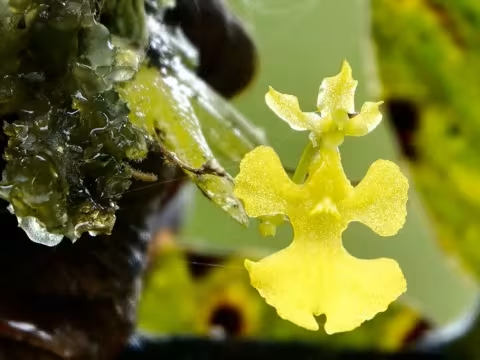
Erycina
Erycina
Erycina is a genus of small-sized epiphytic orchids belonging to the Orchidaceae family. These plants are native to the tropical regions of Central and South America, typically found in high-humidity habitats.
What the section contains


Erycina
Botanically, they are sympodial orchids characterized by compact pseudobulbs and narrow, often folded leaves. Their diminutive stature makes them a popular choice for orchid enthusiasts with limited cultivation space.
Successful cultivation of Erycina requires bright, filtered light. Exposure to direct afternoon sunlight should be avoided to prevent leaf scorching, while insufficient light may result in poor flowering.
A moderate temperature range is ideal for these orchids, generally between 18 and 26 degrees Celsius. They thrive in environments where air circulation is constant but free from cold drafts.
Proper substrate choice is essential; a mix of fine fir bark, perlite, and charcoal allows for adequate aeration of the roots. The pot should have excellent drainage to avoid water accumulation.
Common pests affecting Erycina include spider mites and mealybugs, which tend to infest plants kept in low-humidity environments or poorly ventilated spaces.
Fungal infections, often manifested as leaf spots or root rot, typically occur due to excessive moisture retention in the potting medium or high humidity combined with low temperatures.
To control pest populations, systemic insecticides or horticultural oils may be used. It is vital to apply these treatments early before the infestation spreads to neighboring plants.
Root health is a priority; if the substrate begins to break down, immediate repotting is necessary to maintain root aeration and prevent anaerobic conditions that trigger rot.
Preventative care involves maintaining good hygiene around the growing area, regular monitoring of the foliage, and ensuring that the plant dries out slightly between scheduled watering sessions.