
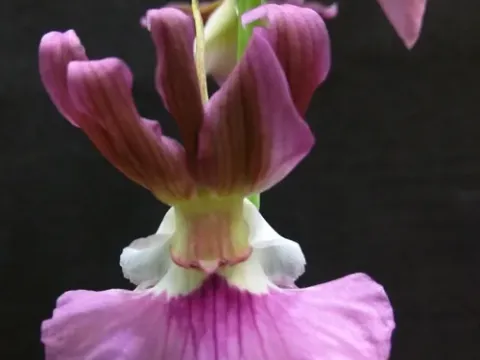
Eulophia
Eulophia
Propagation of Eulophia is primarily achieved through the division of mature sympodial pseudobulbs during the beginning of the active growing season. Seed propagation is exceptionally complex due to the requirement for specific mycorrhizal fungi to facilitate germination.
What the section contains
 Eulophia alta
Eulophia alta
Eulophia alta
 Eulophia andamanensis
Eulophia andamanensis
Eulophia andamanensis
 Eulophia bicallosa
Eulophia bicallosa
Eulophia bicallosa
 Eulophia bracteosa
Eulophia bracteosa
Eulophia bracteosa
 Eulophia cucullata
Eulophia cucullata
Eulophia cucullata
 Eulophia dabia
Eulophia densiflora
Eulophia densiflora
Eulophia dabia
Eulophia dabia
Eulophia densiflora
Eulophia densiflora
 Eulophia ecristata
Eulophia ecristata
Eulophia ecristata
 Eulophia epidendraea
Eulophia explanata
Eulophia explanata
Eulophia epidendraea
Eulophia epidendraea
Eulophia explanata
Eulophia explanata
 Eulophia flava
Eulophia flava
Eulophia flava
 Eulophia gracilis
Eulophia gracilis
Eulophia gracilis
 Eulophia graminea
Eulophia graminea
Eulophia graminea
 Eulophia guineensis
Eulophia guineensis
Eulophia guineensis
 Eulophia herbacea
Eulophia herbacea
Eulophia herbacea
 Eulophia horsfallii
Eulophia horsfallii
Eulophia horsfallii
 Eulophia juncifolia
Eulophia juncifolia
Eulophia juncifolia
 Eulophia macrobulbon
Eulophia macrobulbon
Eulophia macrobulbon
 Eulophia nuda
Eulophia nuda
Eulophia nuda
 Eulophia ochreata
Eulophia ochreata
Eulophia ochreata
 Eulophia pratensis
Eulophia pratensis
Eulophia pratensis
 Eulophia protearum
Eulophia protearum
Eulophia protearum
 Eulophia pulchra
Eulophia rauhii
Eulophia rauhii
Eulophia pulchra
Eulophia pulchra
Eulophia rauhii
Eulophia rauhii
 Eulophia speciosa
Eulophia stachyodes
Eulophia stachyodes
Eulophia speciosa
Eulophia speciosa
Eulophia stachyodes
Eulophia stachyodes
 Eulophia zollingeri
Eulophia zollingeri
Eulophia zollingeri
Eulophia
Planting divisions should be performed at the end of the dormancy period to ensure that the root system establishes itself rapidly under optimal thermal conditions. Choosing a well-draining potting medium is essential for long-term health.
The culture requires containers that accommodate its horizontal rhizome growth pattern. Planting depth must be carefully controlled, ensuring the pseudobulbs remain at the substrate surface to prevent rot.
Soil temperature should ideally range between 22 and 25 degrees Celsius to stimulate initial root development. Maintaining this thermal consistency is critical for successful crop establishment after division.
After transplanting, the plants need a brief adaptation period in indirect light. Gradually increasing light intensity and providing moderate, consistent moisture will ensure a successful transition to active growth.
Eulophia is a diverse genus of the Orchidaceae family, containing approximately 200 species primarily distributed across tropical Africa, Asia, and Australia. Unlike epiphytic orchids, most Eulophia are terrestrial, growing directly in the ground.
The ideal substrate consists of a highly breathable mix, such as conifer bark, perlite, and decomposed organic matter. Aeration is a key requirement, as the root systems are highly sensitive to oxygen deprivation caused by compacted soil.
Optimal growth requires high-intensity, filtered light. While the plants are robust, they must be protected from extreme direct sunlight to prevent leaf tissue damage and premature dehydration.
Climate control involves mimicking the natural rhythm of the species' native habitat, which typically includes a dry season for dormancy. Reducing watering frequency during this time is essential to prevent physiological stress.
Consistent airflow within the growing environment is necessary to keep humidity levels at the required 50–70 percent range. This prevents stagnation and limits the risk of opportunistic pathogens in the greenhouse.
Common pests affecting Eulophia include spider mites, mealybugs, and scale insects, which frequently attack the pseudobulbs and leaf bases. Early detection through regular monitoring is the most effective management strategy.
Root and stem rot, caused by fungal pathogens such as Fusarium, are the most significant threats to the crop. These diseases are almost always linked to overwatering or insufficient drainage in the growing medium.
Pest management involves the application of appropriate systemic insecticides and acaricides. Always apply treatments during the cool parts of the day and ensure the product is suitable for delicate orchid tissues.
To combat fungal and bacterial infections, producers should employ strict sanitation practices, including disinfecting all cutting tools. Removing and isolating infected plant material prevents total loss of the crop.
Healthy plants are maintained by balancing nutrition, light, and water. A proactive approach to environmental management effectively minimizes the need for chemical intervention and supports vigorous plant development.