
Farges' lady's slipper
Cypripedium fargesii
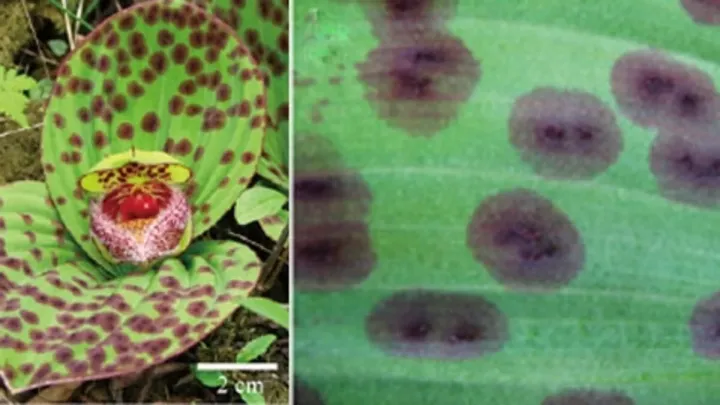
Description
Growing requirements
Farges' lady's slipper (Cypripedium fargesii) is a fascinating perennial species belonging to the Orchidaceae family. Native to the mountain forests of China, this orchid is highly prized for its unique floral architecture.
Cultivating this species requires a deep understanding of its ecological needs. It demands a loose, porous substrate that mimics forest floor conditions, rich in organic matter and free from any standing water.
The plant performs best in shaded or semi-shaded locations. Direct sunlight should be avoided at all costs, as the delicate foliage is highly prone to scorching, which stunts the plant's seasonal development.
The soil should be maintained at a slightly acidic pH level. Incorporating components like pine bark, leaf mold, and perlite into the planting pit helps maintain the structure and moisture balance required for the roots.
Temperature management is crucial; the plant thrives in cool, humid environments. Providing consistent moisture during the growing season is essential, while ensuring the roots remain ventilated to avoid suffocation.
Main diseases and pests
Root rot, caused by excessive moisture or poor drainage, remains the primary threat to the longevity of Cypripedium fargesii. Once established, fungal pathogens are extremely difficult to treat.
Slugs and snails are the most notorious pests in the garden environment. They are attracted to the succulent growth of the young shoots and can inflict severe damage that prevents flowering for the season.
Aphids can occasionally cluster on the flower buds or the undersides of leaves during dry spells, potentially weakening the plant and acting as vectors for various plant viruses that affect orchids.
Improper substrate compaction can also be considered a threat, as it reduces the essential air exchange needed by the roots and the symbiotic fungi that are vital for the orchid's nutritional uptake.
Prevention is the best strategy for managing threats. This includes maintaining proper spacing, ensuring good air circulation around the plants, and avoiding overhead watering to keep foliage dry.