
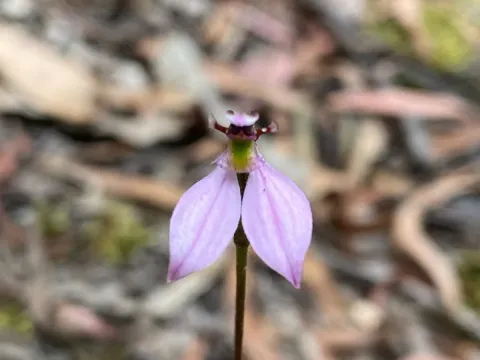
Eriochilus
Eriochilus
Eriochilus is a genus of terrestrial orchids belonging to the family Orchidaceae. These plants are not classified as agricultural crops, as they serve no commercial, food, or industrial purpose and are found primarily in their natural wild habitats across Australia.
What the section contains


Eriochilus
The botanical structure of Eriochilus is characterized by a single leaf that appears during the growing season and often withers before the plant blooms. This morphological adaptation is critical for surviving the harsh, cyclic dry seasons prevalent in the species' native distribution range.
Growth requirements for these orchids are highly specialized, necessitating well-drained soils rich in organic matter. Unlike conventional crops, they rely on complex symbiotic relationships with specific mycorrhizal fungi in the soil, which are essential for nutrient uptake and successful seed germination.
The climate in their native range consists of alternating wet and dry phases. Eriochilus species have evolved to synchronize their life cycle with these patterns, utilizing subterranean tubers to store essential moisture and energy reserves during periods of extreme environmental stress.
In terms of human use, Eriochilus is strictly of academic and conservation interest. Cultivation is exceptionally difficult and generally restricted to professional botanical institutions that can provide the precise ecological conditions, including the required fungal symbionts, for these plants to survive.
The primary threat to Eriochilus populations is the loss and fragmentation of natural habitats caused by land clearing and urban development. As sensitive ecological indicators, these orchids cannot easily relocate or adapt to altered soil compositions or changed moisture regimes.
Climate change poses a significant risk, particularly the alteration of rainfall patterns. Since the emergence and flowering stages are triggered by specific moisture thresholds, erratic weather can effectively prevent the plants from completing their reproductive cycle within a given year.
Herbivory by insects and small mammals can be devastating, given that each individual plant typically produces only one leaf per season. Damage to this single photosynthetic organ significantly reduces the plant's ability to store enough energy in the tuber to survive the subsequent dormant period.
Pathogenic threats include various root rots and fungal infections that thrive under conditions of poor soil drainage or excessive humidity. Because these orchids are so dependent on their specific symbiotic fungi, any disturbance to the soil microbiome can indirectly lead to the decline of the colony.
Pollinator decline is another critical threat, as Eriochilus species often depend on highly specific insect associations for successful reproduction. If the required insect species are displaced or reduced in number, the orchid population loses its capacity for seed production, threatening long-term survival.