
Dactylorhiza iberica
Dactylorhiza iberica
Description
Growing requirements
Dactylorhiza iberica is a perennial herbaceous plant belonging to the Orchidaceae family. It is primarily distributed across the mountainous regions of the Caucasus, Turkey, and parts of the Middle East, occupying specific ecological niches characterized by constant moisture and cool temperatures.
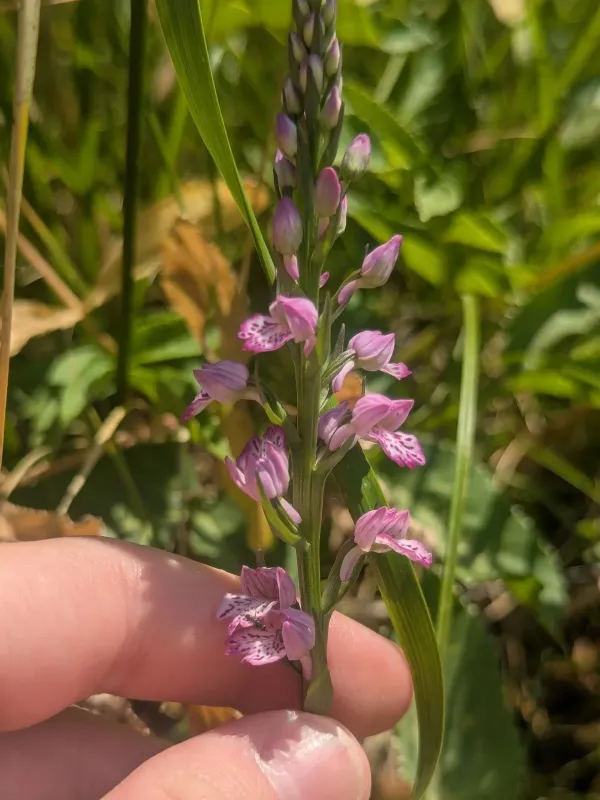
Botanically, this species is defined by its palmate tubers, which serve as storage organs. The stems are robust, reaching heights of up to 50 cm, and are adorned with lanceolate leaves. The inflorescence consists of dense, attractive flowers, showcasing the evolutionary specialization typical of the Dactylorhiza genus.
The cultivation requirements are demanding, primarily focusing on hydrological stability. The plant thrives in habitats with high soil moisture, such as wetlands, stream banks, and spring-fed meadows. Substrate composition should be well-drained yet constantly moist to maintain the delicate symbiotic balance required for root health.
Climatically, the species is adapted to temperate mountain zones with distinct seasonal cycles. It requires a period of cold dormancy, provided by winter snow cover in its natural environment. Protection from excessive heat and direct drying winds is essential for maintaining the vigor of the plant during the growing season.
Regarding its utility, the species is primarily valued for its scientific and conservation interest rather than commercial agricultural production. It serves as a critical component in the study of orchid biodiversity and is frequently included in specialized collections aimed at preserving endemic genetic resources.
Main diseases and pests
The primary threats to Dactylorhiza iberica are habitat fragmentation and the degradation of wetland ecosystems. Human-induced drainage for agricultural or infrastructural development significantly reduces the available land where these orchids can establish sustainable populations.
Fungal pathogens represent a major concern, particularly when conditions shift toward excessive humidity without proper soil oxygenation. Root rot, caused by various soil-borne oomycetes, is a lethal factor that frequently leads to the loss of entire colony clusters in confined horticultural environments.
Insects, including aphids and specialized beetle larvae, pose a persistent threat by feeding on developing flower buds and foliage. The use of traditional chemical pesticides is generally discouraged due to the extreme sensitivity of orchid mycorrhizal relationships, necessitating the use of biological control agents.
The loss of specific mycorrhizal fungi, which are essential for seedling germination and nutrient uptake, is a critical bottleneck in the plant's life cycle. This dependency makes the artificial propagation of the species exceptionally challenging compared to conventional ornamental plants.
Effective conservation efforts rely on protecting the ecological integrity of its natural sites. This includes restricting grazing pressure, preventing industrial runoff, and monitoring population health to detect and address localized declines before they escalate into irreversible loss.