
Cymbidium goeringii
Cymbidium goeringii Rchb. f.
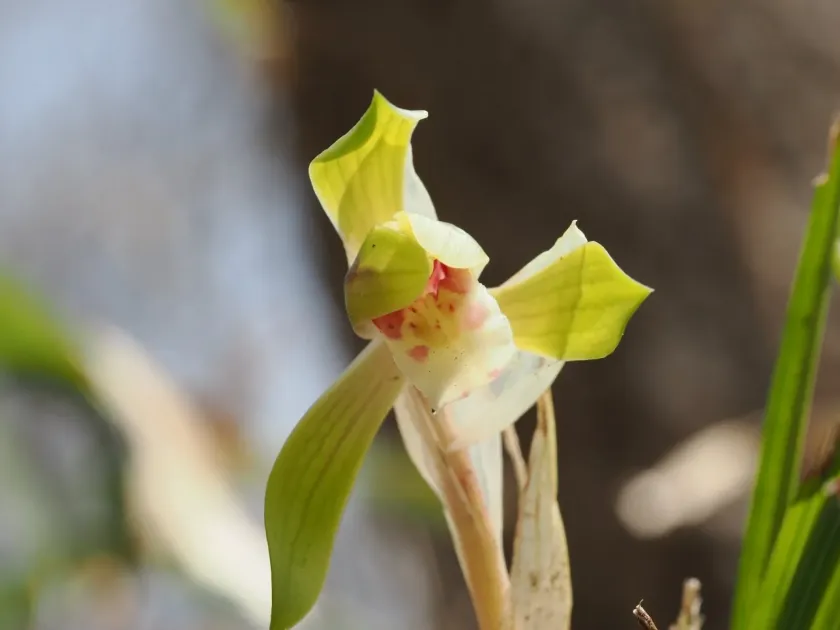
Description
Growing requirements
Cymbidium goeringii is a perennial herbaceous plant belonging to the Orchidaceae family. Native to the woodlands of China, Japan, and Korea, this species is highly regarded in horticulture for its elegant foliage and fragrant, solitary blooms.
Botanically, this orchid exhibits a sympodial growth habit. It features narrow, grass-like leaves and produces short scapes. The root system is robust and requires a substrate that provides excellent aeration while maintaining a consistent level of moisture.
Successful cultivation requires a climate that mimics its natural high-altitude or woodland environment. The plant thrives in cool temperatures and necessitates a significant diurnal temperature variation to trigger the flowering process during the spring months.
Soil requirements involve a specialized, well-draining potting medium. A mixture consisting of fine pine bark, perlite, and a small portion of organic loam is recommended to simulate the forest floor environment and prevent root asphyxiation.
Light levels must be managed carefully. While these plants prefer bright conditions, they are sensitive to direct midday sun, which can scorch the leaves and negatively impact the plant's overall vigor and flowering potential.
Main diseases and pests
Root rot, primarily caused by Pythium and Phytophthora fungi, is the most critical threat to Cymbidium goeringii. It is usually a result of overwatering and inadequate drainage within the container, necessitating immediate action to save the plant.
Common pests include spider mites and scale insects, which often appear when ambient humidity is too low. Regular misting and proper air circulation are essential preventive measures to keep these infestations at bay.
Aphids can also infest the developing flower buds, causing malformation of the blooms. Prompt treatment with systemic insecticides or gentle horticultural soaps is advised as soon as the first signs of activity are observed.
Viral infections, such as Cymbidium mosaic virus, are incurable and devastating. Sterilization of cutting tools using high heat or alcohol solutions is mandatory to prevent the transmission of these pathogens between plants.
Monitoring the plant's health through regular inspections and maintaining a clean, sanitary growing area will significantly reduce the likelihood of chronic disease outbreaks in your collection.