
Cymbidium Nishiuchianum
Cymbidium x nishiuchianum Makino ex J. M. H. Shaw
Description
Growing requirements
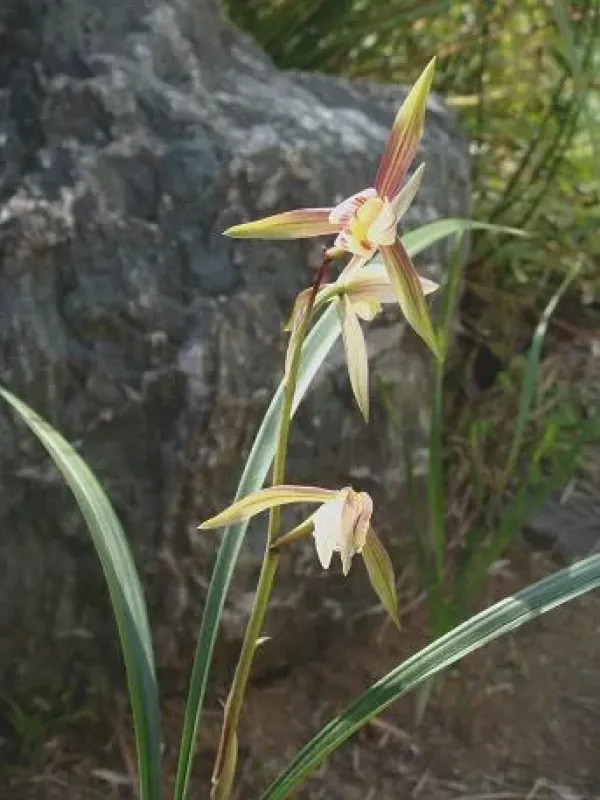
Cymbidium nishiuchianum (lat. Cymbidium x nishiuchianum) is a rare and highly prized orchid belonging to the Orchidaceae family. It is a natural hybrid known for its unique aesthetic traits and its historical connection to the flora of the Japanese archipelago.
The origin of this species is tied to cool, mountainous regions. In agricultural settings, it requires a microclimate that mimics these alpine conditions, specifically emphasizing the need for cool nights to support metabolic processes and floral initiation.
The soil requirements are strict: the orchid thrives in a porous, well-draining medium. Pine bark, perlite, and charcoal mixes are essential to prevent root asphyxiation, which is the leading cause of mortality in cultivated Cymbidium species.
Light requirements for Cymbidium nishiuchianum are high but require careful management. They need bright, filtered light to maintain robust pseudobulb development, but direct midday sunlight during the summer months must be avoided to prevent thermal damage.
Watering must be calibrated to the drying cycle of the medium. During the active growing season, consistent moisture is required, but as temperatures drop, watering frequency must be reduced to mimic the dormant winter cycle of its natural habitat.
Main diseases and pests
The primary threats to Cymbidium nishiuchianum are fungal infections triggered by improper ventilation and excessive humidity. Black rot and other root pathogens can quickly compromise the plant's health if the pot does not allow for rapid moisture drainage.
Pests, particularly spider mites and scale insects, are common in indoor orchid collections. Spider mites flourish in dry environments, making the winter months, when humidity levels fluctuate, a high-risk period for the plants.
Scale insects often hide in the narrow crevices between leaves and pseudobulbs, making them difficult to detect. Early manual removal followed by the application of horticultural oils or systemic insecticides is the standard treatment protocol.
Thrips can also affect the floral display by attacking developing buds. Damage usually manifests as streaks or spots on the flowers, significantly reducing the commercial and aesthetic value of the specimen during the harvest season.
Preventative maintenance includes keeping the foliage clean, ensuring adequate airflow around the plant, and sterilizing all cutting tools before pruning. Maintaining high standards of hygiene is the most effective way to keep an orchid collection free from viral and bacterial infections.