
Cymbidium kanran
Cymbidium kanran Makino
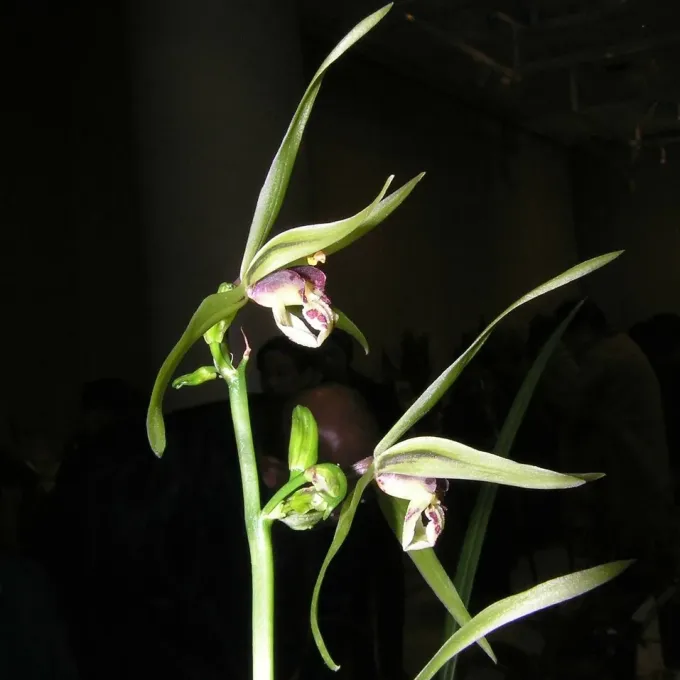
Description
Growing requirements
Cymbidium kanran is a highly esteemed species within the Orchidaceae family, recognized for its slender leaves and gracefully fragrant flowers. It holds significant cultural value in East Asian horticulture, particularly in traditional orchid appreciation.
The native range of this species extends across Japan, China, and Taiwan. These orchids naturally thrive in cool, shaded mountain forest environments, where they are typically found growing in damp, mossy, or rocky substrates.
The successful cultivation of this species depends heavily on climate control. It prefers cool to intermediate temperatures, requiring a distinct shift between day and night temperatures to trigger healthy growth cycles and stimulate future blooming.
Soil requirements for Cymbidium kanran involve a well-draining, breathable medium. A mixture of pine bark, perlite, charcoal, and a small portion of sphagnum moss is ideal to ensure that the root system receives sufficient oxygen while retaining necessary moisture.
Lighting should be bright but filtered. Direct sunlight is detrimental to the plant, often causing leaf scorch, while too little light leads to weak, elongated growth and a lack of flowering. Proper airflow around the foliage is also a critical requirement.
Main diseases and pests
The primary threats to this orchid include fungal and bacterial rot, which are often exacerbated by poor air circulation and excessive moisture in the root zone. Ensuring the potting medium does not remain soggy is essential for disease prevention.
Pests such as scale insects, spider mites, and mealybugs represent the most common biological threats. These pests can rapidly colonize the foliage and pseudobulbs, draining plant nutrients and reducing its overall vigor.
Regular maintenance, such as inspecting the undersides of leaves and leaf junctions, is the most effective way to detect early infestations. Early intervention allows for the management of pests without the need for heavy pesticide usage.
Environmental hygiene plays a significant role in plant health. Regularly removing fallen debris and maintaining clean tools during repotting or division prevents the spread of pathogens between plants.
For those dealing with chronic pest issues, systemic treatments or organic insecticidal soaps can be utilized, provided they are applied during the cooler parts of the day to avoid leaf sensitivity issues.