
Cylindrolobus carneus
Cylindrolobus carneus
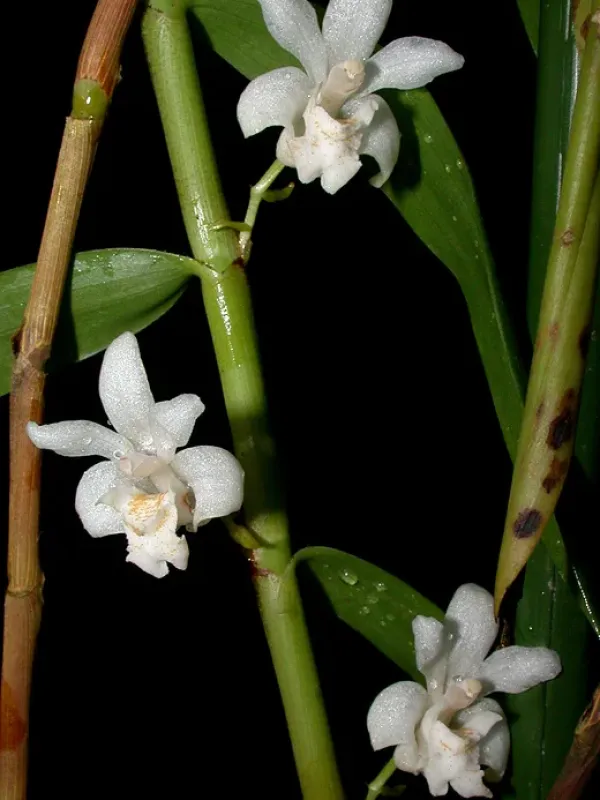
Description
Growing requirements
Cylindrolobus carneus is a distinctive species within the Orchidaceae family, native to the tropical regions of Southeast Asia. As an epiphyte, it has adapted to survive in humid forests by growing on branches of trees, where it utilizes its specialized root system to absorb moisture and nutrients from the air.
The botanical structure of this orchid features cylindrical stems that serve as storage organs during periods of reduced moisture. Its leaves are leathery and evergreen, providing the plant with the necessary surface area to maximize photosynthesis in the low-light environment of the forest canopy.
To cultivate this species successfully, one must replicate its natural environment by ensuring high humidity levels, ideally around 75%. Temperatures should be maintained in a moderate range, consistently staying between 20°C and 27°C, as the plant does not tolerate drastic fluctuations.
The choice of medium is vital; a porous mixture consisting of coarse bark, perlite, and dried moss is recommended. This allows for excellent drainage, ensuring that oxygen reaches the roots, which is crucial for preventing the onset of suffocating root rot.
Lighting should be bright but strictly indirect. In a greenhouse or indoor setting, placing the orchid near a window with filtered light or using supplemental LED grow lights is ideal. Proper air circulation around the foliage is also necessary to mimic the natural breezes of its native habitat.
Main diseases and pests
The most common pests affecting Cylindrolobus carneus are spider mites and scale insects. These pests often go unnoticed until significant damage to the leaf tissue occurs, so proactive monitoring and the use of insecticidal soaps are recommended practices.
Fungal pathogens such as black rot frequently emerge when the substrate stays too wet for extended periods. Once these pathogens infect the core of the plant, they can spread rapidly to the stems, making early detection and immediate removal of affected areas essential for survival.
Environmental stress, particularly from poor water quality, can lead to the accumulation of minerals in the substrate. This chemical imbalance can severely damage the delicate root hairs, leading to a general decline in the plant's overall health and vigor.
Bacterial soft rot is another severe threat often exacerbated by poor air circulation. It typically manifests as translucent, foul-smelling lesions on the stems or leaves, requiring strict sanitation of tools and a localized application of fungicides or bactericides.
Finally, improper repotting techniques can introduce pathogens into the system. Always ensure that the potting medium is fresh and that any pruning shears used are thoroughly sterilized with alcohol or flame before being used on the plant.