
Cylindrolobus compressus
Cylindrolobus compressus
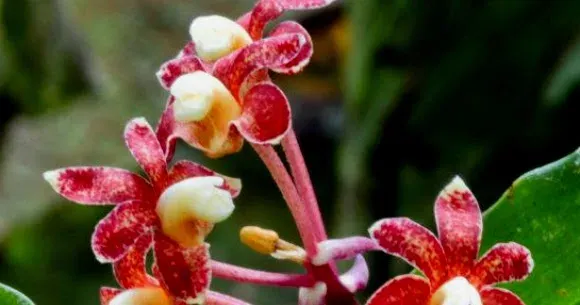
Description
Growing requirements
Cylindrolobus compressus is an epiphytic orchid belonging to the Orchidaceae family. Native to the humid rainforests of Southeast Asia, this species has adapted to grow on tree trunks and branches, utilizing moss and debris for nutrient absorption.
The plant is characterized by its sympodial growth habit and uniquely compressed pseudobulbs. Its leaves are leathery and arranged in a distichous pattern, giving the plant a distinctive fan-like appearance that adds to its ornamental value.
In terms of climate, the species requires warm temperatures typically ranging from 20°C to 28°C. High humidity levels, ideally above 60-70%, are essential to mimic its natural environment and support metabolic processes.
The substrate must be highly porous and breathable. A mix of pine bark, charcoal, and perlite is recommended to prevent waterlogging, as the root system is highly sensitive to hypoxia if kept in water-saturated conditions.
Light intensity should be moderate and diffused. Exposure to harsh, direct sunlight will damage the leaf tissue, leading to unsightly burns and physiological stress. A greenhouse with shading or an eastern-facing window is usually preferred.
Main diseases and pests
The most significant threats to Cylindrolobus compressus are fungal and bacterial rots, which often occur due to poor air circulation or excessive moisture. These pathogens can rapidly destroy the pseudobulbs and root structure.
Spider mites are a common pest, particularly in dry environments. They infest the undersides of leaves, sucking sap and leaving behind stippled discoloration, which can stunt the growth of the orchid over time.
Scale insects can also pose a problem by clinging to the pseudobulbs and leaf bases. These insects are often protected by a hard, waxy shell, making them resistant to basic environmental sprays and requiring systemic treatments.
Maintaining a clean growing environment is critical for disease management. Pruning dead roots or diseased foliage should be done with sterilized tools to prevent the spread of pathogens between plants in the collection.
If an infestation occurs, chemical control with appropriate horticultural oils or insecticides should be implemented. Always ensure the chemical is safe for orchids before application and apply it in a well-ventilated area.