
Brachycorythis conica
Brachycorythis conica
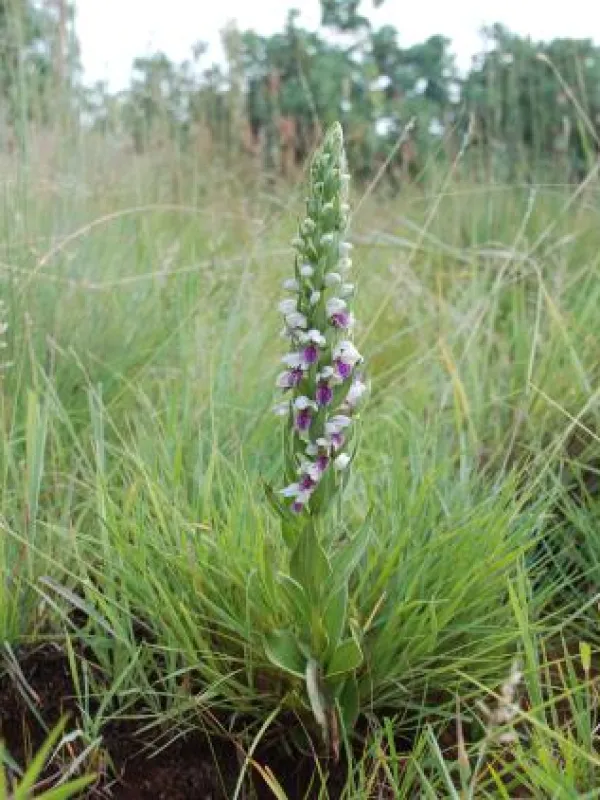
Description
Growing requirements
Brachycorythis conica is a herbaceous perennial plant belonging to the Orchidaceae family. It is primarily indigenous to tropical and subtropical regions of Africa, where it thrives in seasonal grasslands.
The plant is biologically distinct due to its tuberous roots, which act as vital storage organs. These tubers enable the orchid to survive extended dry seasons by entering a dormant state when water availability is low.
In terms of habitat, the species requires soils with excellent drainage properties to prevent root decay. A light, porous soil structure is essential to mimic the natural aeration found in its native prairie-like environments.
Climate preferences involve high humidity levels during the active growth phase, followed by a dry period to trigger flowering. The species generally prefers bright, indirect light rather than direct intense sun exposure.
Regarding its utility, Brachycorythis conica is mostly recognized for its ornamental value. While not a commercial staple crop, it remains a subject of study in botanical conservation due to its unique growth habit and adaptation strategies.
Main diseases and pests
Fungal infections in the root system pose the most significant threat to the health of this orchid. Such conditions are usually exacerbated by improper soil management or excessive watering.
Pests, particularly aphids and various soil-borne insects, can compromise the structural integrity of the stems and leaves, leading to reduced vigor and reproductive success.
Environmental stress, such as extreme temperature fluctuations, can disrupt the plant's metabolic cycles, making it more susceptible to opportunistic pathogens and viral infections.
Competition from invasive weeds is a critical factor during the early stages of establishment, often requiring manual weeding to ensure the plant has enough resources.
Systematic monitoring is recommended to mitigate risks, focusing on maintaining balanced moisture levels and preventing the accumulation of pathogens within the growth substrate.