
Brachionidium sherringii
Brachionidium sherringii
Description
Growing requirements
Brachionidium sherringii is a fascinating member of the Orchidaceae family, native to the high-altitude cloud forests of the Caribbean islands, including Jamaica. As a miniature epiphytic species, it has adapted to growing on moss-covered trees, thriving in environments characterized by persistent mist and stable, cool temperatures throughout the year.
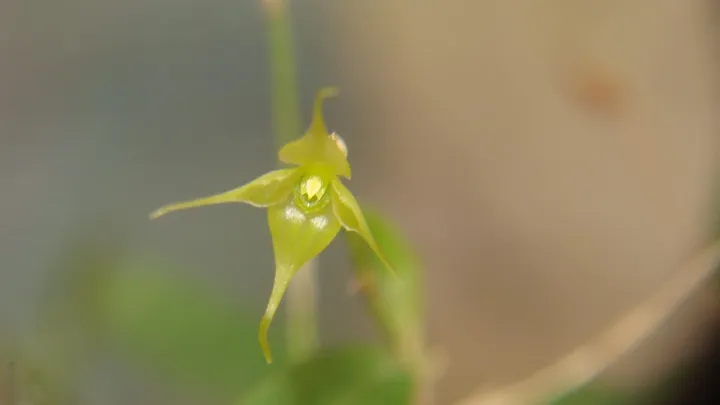
The botanical structure of the plant features a creeping rhizome that supports small, succulent-like leaves. Its flowers are highly distinct, often exhibiting a solitary, complex shape that is characteristic of the Brachionidium genus. Due to its size and specific requirements, it is primarily cultivated by specialized orchid enthusiasts and in botanical garden collections.
Cultivation requirements for this species are demanding, as it requires a high-humidity environment, ideally maintained at levels above 70%. It is essential to use a porous, moisture-retentive substrate such as high-quality sphagnum moss mixed with bark to ensure that the roots remain hydrated while having access to sufficient oxygenation.
Climate conditions should mimic the montane regions of its origin. Temperatures should be kept in the range of 15°C to 22°C. Avoiding thermal stress is crucial, as even short periods of exposure to heat can cause the plant to decline rapidly. Providing adequate air circulation is also vital to prevent the accumulation of stagnant air, which can lead to fungal issues.
Light levels should be kept low to moderate, with strictly indirect lighting. Exposure to direct sun will scorch the leaves and permanently damage the plant's photosynthetic capacity. Many growers successfully cultivate this species under LED lighting in temperature-controlled terrariums, which helps in maintaining the stable environmental parameters required for growth.
Main diseases and pests
The primary threats to Brachionidium sherringii are fungal infections, particularly root rot caused by overwatering or poor air circulation. These pathogens thrive in the humid, stagnant conditions often found in improperly ventilated grow chambers, making consistent air movement a key preventative measure.
Pests such as spider mites and mealybugs can pose a significant challenge, especially in terrarium setups. Infestations should be managed immediately upon detection using soft, non-toxic horticultural sprays or manual removal. Maintaining plant vigor through optimal environmental control is the best long-term defense against both disease and pest pressure.