
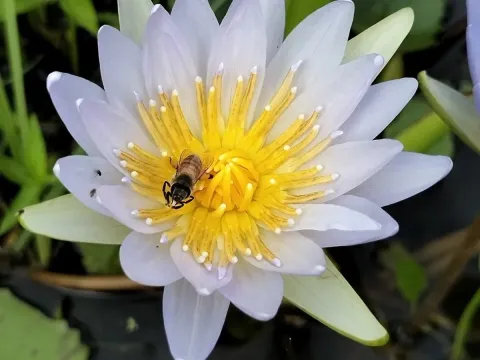
Tropical blue lily
Nymphaea elegans
The tropical blue lily, scientifically known as Nymphaea elegans, belongs to the Nymphaeaceae family. Originating from the warmer regions of the Americas, this species is highly valued for its delicate flowers and specific aquatic lifestyle requirements.
What the section contains
Tropical blue lily
For successful cultivation, the plant requires consistent exposure to full sunlight. Lack of light significantly stunts development and reduces the production of blooms. It is essential to ensure the plant is located in an area with minimal shadow throughout the day.
Soil requirements for this species involve a heavy, nutrient-rich clay substrate. In pond environments, this is often achieved by planting in containers filled with specialized aquatic soil mixtures that provide essential minerals for root health.
The water temperature is a critical factor, as Nymphaea elegans thrives in tropical conditions. Maintaining a temperature range between 20°C and 28°C is necessary for optimal photosynthesis and the expansion of its distinctive lily pads.
The cultural use of this plant is primarily focused on ornamental water features and botanical displays. Its presence enhances water clarity and provides essential natural habitat for various microorganisms within the aquatic ecosystem.
The most common pests affecting this lily species include the water lily beetle and various types of aphids. These insects feed on the leaves and buds, causing significant structural damage if not managed promptly.
Fungal infections can occur when the plant is stressed by poor water quality or inadequate nutrient supply. These infections usually present as brown necrotic spots on the foliage and can lead to plant decline if not controlled.
Integrated pest management in ponds suggests manual inspection and removal of pests rather than chemical intervention. Keeping the water surface clear of excess debris helps reduce the habitat for potential disease vectors.
Excessive algae growth often becomes a competing threat, as it strips the water of nutrients and oxygen. Proper planting density and the use of competitive aquatic plants can help balance the environment for the lily.
Regular maintenance includes dividing the rhizomes periodically to ensure the plant does not outgrow its container. This practice effectively prevents nutrient depletion and keeps the lily in a vigorous state of growth.