
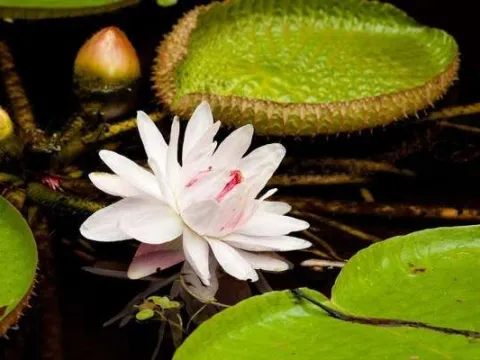
Victoria
Victoria
Planting typically occurs in the spring, once soil temperatures stabilize, or in late summer to allow root establishment before the frost.
What the section contains


Victoria
Late summer planting is widely recommended in many regions to ensure that the plants are well-rooted and ready for early spring growth.
Propagation is mostly achieved through runner offsets, which are young plantlets developing from the main parent plant during the active season.
Seed-based propagation involves starting plants in nursery trays under controlled conditions with supplemental light in late winter.
Proper spacing is essential to ensure adequate airflow, which prevents the development of fungal infections in the plantation.
Victoria belongs to the genus Fragaria within the Rosaceae family. It is a perennial herbaceous crop that requires significant sun exposure.
The ideal growing medium consists of well-draining, nutrient-rich loamy soil with a slightly acidic pH level between 5.5 and 6.5.
Consistent moisture is vital during the flowering and fruit-setting stages, though waterlogging must be avoided to prevent root rot.
Incorporating organic matter such as compost or well-rotted manure into the beds prior to planting enhances soil structure and fertility.
Effective weed control and the use of mulch help maintain soil temperature and moisture, contributing to higher yield stability.
Gray mold is a frequent challenge, particularly in humid climates where it can quickly ruin ripening berries if moisture persists.
Powdery mildew represents a common threat to foliage health, often leading to leaf curling and reduced photosynthetic efficiency.
Various mite species can infest the plants, causing stunting and yellowing of the leaves, which significantly hampers plant vitality.
Nematodes and soil-borne larvae can target the root system, necessitating careful site selection and soil preparation protocols.
Integrated pest management strategies are crucial to balancing productivity with environmental safety when treating common infestations.
Harvesting is a manual process, best conducted in the early morning to ensure the berries are cool and firm for better shelf life.
Regular picking is necessary to ensure berries are harvested at peak ripeness, avoiding over-maturity which can attract pests.
Handling the fruit by the stem helps prevent bruising, keeping the skin intact for better transport and visual quality.
Post-harvest care involves removing weeds and cleaning the rows to facilitate air circulation and prepare the plant for the dormant period.
Ongoing maintenance, including light pruning of old leaves, supports the overall health of the strawberry patch for subsequent growing seasons.