
White water lily
Nymphaea alba
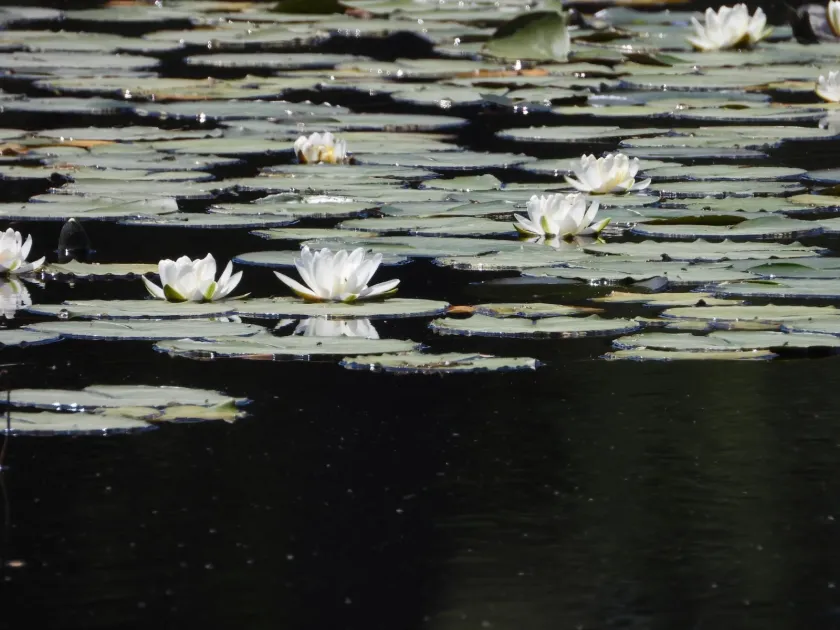
Description
Sowing dates
Planting of the white water lily is primarily carried out in the spring, once the water temperature reaches 15-18 degrees Celsius. The ideal window is from mid-May to early June.
Propagation is usually achieved by dividing rhizomes after the active growth season. Segments with healthy buds are placed into specialized planting containers filled with a nutrient-rich substrate.
Seed propagation is also possible but is more labor-intensive, requiring strict control over water temperature and light conditions in enclosed containers during the germination phase.
Correct planting depth is crucial for the biology of Nymphaea alba. Improperly deep immersion can significantly stunt leaf development and reduce the vitality of the young plant.
Following initial planting, containers should be gradually lowered to their target depth, allowing the plant to acclimatize to water pressure and environmental variations.
Growing requirements
The white water lily belongs to the Nymphaeaceae family and is a perennial aquatic herb that thrives in stagnant or slow-moving water bodies with silt-heavy bottoms.
This plant requires high light intensity for optimal growth and should be placed in open, sunny areas. Growth and flowering are severely restricted in shaded locations.
The optimal depth for full development ranges from 50 to 150 centimeters. The water quality should be moderately nutritious with a neutral or slightly acidic pH balance.
The root system requires a substrate rich in organic matter, typically composed of clay, peat, and river sand to ensure adequate access to essential nutrients throughout the season.
The species possesses significant cold hardiness if the rhizomes remain below the freezing level of the pond. In shallow water, winter protection is often necessary to prevent damage.
Yield
In terms of production, the yield of Nymphaea alba is generally measured by the quantity of viable rhizomes for propagation or the harvesting of plant material for botanical use.
The total yield depends on the pond surface area and the planting density. Regular fertilization of the container substrate significantly improves the vegetative mass production.
When cultivating for pharmaceutical or botanical purposes, harvesting must strictly adhere to sustainability guidelines to protect the local population and ecological stability.
Decorative productivity peaks during the third to fourth year after planting, provided the plant is not competing with invasive aquatic weeds for resources.
Total biomass can be substantial; therefore, periodically thinning the stand is required to prevent excessive organic accumulation on the pond floor.
Main diseases and pests
Common pests include the water lily beetle and aphids, which feed on leaves and flower buds, significantly impairing the aesthetic and physiological health of the plant.
Fungal diseases, such as leaf spot, are frequently observed when the pond's ecological balance is disrupted or when there is an overabundance of nitrogen-based fertilizers in the water.
Waterfowl and rodents can cause significant damage in naturalized settings by feeding on tender new shoots and rhizomes during the spring growth phase.
Nymphaea alba is extremely sensitive to water pollution, particularly from hydrocarbons and household chemicals, which can cause rapid decline and mortality of the species.
Invasive algae and aggressive aquatic plants can outcompete the white water lily, necessitating regular pond maintenance and manual clearance to ensure sufficient light access.