
Small yellow water lily
Nuphar microphylla
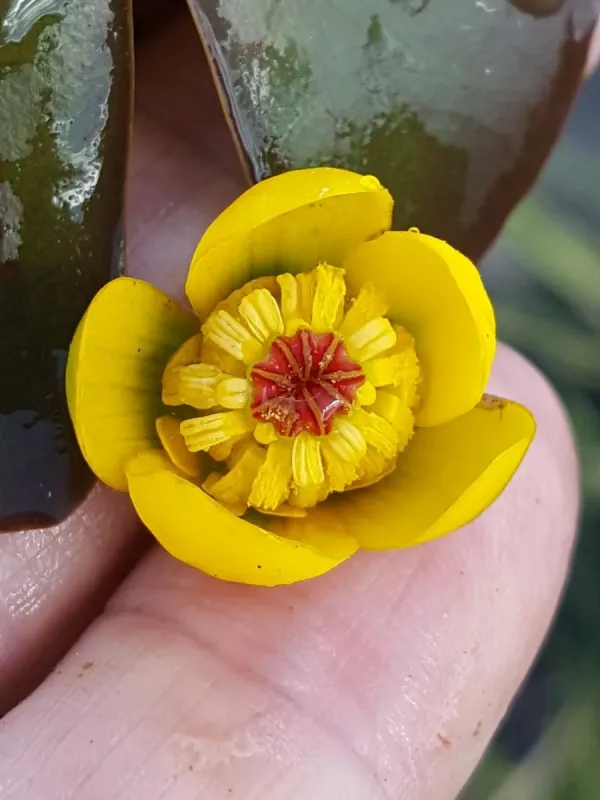
Description
Sowing dates
The small yellow water lily (Nuphar microphylla) is a perennial aquatic plant belonging to the Nymphaeaceae family. In agricultural and aquacultural practices, propagation is primarily carried out through rhizome division during the spring, once the water temperature stabilizes between 10 and 12 degrees Celsius.
When establishing new plantings, rhizome fragments should be carefully placed into a nutrient-rich substrate at the bottom of the water body. The optimal planting depth ranges from 30 to 80 centimeters, allowing the plant to balance its need for light absorption and protection from surface turbulence.
The spring growing period is critical for plant establishment. Consistent water levels must be maintained to prevent rhizome desiccation in shallow areas or oxygen deprivation caused by excessive submergence. Stability is the most important factor for early-stage success.
For industrial cultivation, areas with slow water flow are preferred. Stagnant conditions or overly rapid currents can impede root growth and nutrient uptake. Therefore, managed water bodies should be engineered to allow for a gentle flow that transports dissolved minerals to the plant roots.
Management involves periodic inspection of the substrate. In closed-loop systems, localized fertilization at the root zone is recommended to avoid nutrient spikes in the water column, which could lead to unwanted algal blooms that compete with the lilies for light and resources.
Growing requirements
The small yellow water lily has specific requirements for water quality. It thrives in slightly acidic to neutral water bodies, particularly those with high humic content, which are typical of sheltered river bays and peat-based pond systems.
Light availability is a primary limiting factor. While it is a hydrophyte, the plant requires significant exposure to direct sunlight. Excessive shading from overhanging trees or high coastal vegetation significantly slows the photosynthetic rate, leading to stunted leaf development and potential decline.
The ideal bottom substrate consists of rich silt or peat, which provides essential macro and micronutrients. Sand or gravel bottoms are generally unsuitable, as they do not support the dense root network required for vigorous growth throughout the vegetative season.
An optimal temperature range during the active growing season is 18–22 degrees Celsius. The species is well-adapted to temperate zones but requires deep enough water to prevent the rhizome from freezing solid during winter, which could damage the growth points.
Water purity is vital, as the plant is highly sensitive to chemical pollutants, including pesticides and oil derivatives. Such contaminants can block the leaf stomata and disrupt respiration, leading to rapid deterioration of the plant tissue and eventual death of the entire population.
Yield
Economic and utility-based use of Nuphar microphylla primarily involves its role in ornamental pond design, ecological water treatment, and potential pharmaceutical sourcing. It acts as an effective biological filter, absorbing excess nitrates and phosphates from the water.
For medicinal purposes, the rhizomes are harvested during the late autumn after the growing season has ended. The active alkaloids present in the plant make it a subject of pharmacological research, though collection must be managed sustainably to ensure the long-term viability of the colonies.
As a bioengineering tool, the small yellow water lily is valued for its ability to oxygenate the water and provide habitats for beneficial aquatic fauna. Its ability to process nutrients makes it an essential component of integrated water management systems and constructed wetlands.
Productivity is directly correlated to planting density and the bioavailability of minerals in the substrate. In controlled aquaponic or specialized greenhouse systems, yields of biomass can be significantly increased compared to wild populations due to optimized growing conditions.
Harvesting requires specialized floating equipment to ensure minimal disruption to the benthic ecosystem. Sustainable harvesting practices are essential, as the plant is relatively slow to colonize new areas, and over-extraction can lead to the loss of local populations.
Main diseases and pests
Common health issues include rot-related diseases affecting the rhizome system. These are typically triggered by sudden temperature drops or stagnant water conditions that favor pathogenic anaerobic bacteria, leading to the rapid decay of the underwater structures.
Pests, particularly leaf-eating insects such as water beetles, can cause significant damage. Excessive leaf consumption reduces the plant’s photosynthetic capacity and creates wounds that act as entry points for secondary fungal infections that weaken the overall colony.
Competitive displacement by invasive aquatic species is a major threat. Aggressive weeds or fast-growing algae can outcompete the water lily for space and light. Maintaining a healthy balance in the ecosystem is key to preventing the overgrowth of invasive flora.
Human activities, such as drastic water level fluctuations in reservoirs, pose a severe risk. Sudden drainage can leave the rhizomes exposed to air, causing dehydration and death. Proper coordination with local water management authorities is essential for large-scale operations.
Prevention and management involve regular monitoring of plant leaves and water chemistry. By removing excessive organic debris and controlling pest populations through natural biological means, growers can maintain the health and vigor of the water lily population.