
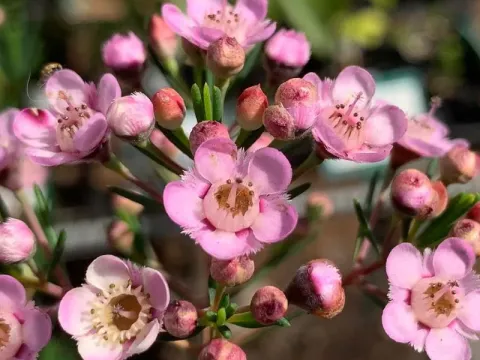
Verticam
Hybrids between Verticordia and Chamelaucium
Verticam is an intergeneric hybrid resulting from the crossing of Verticordia and Chamelaucium, both belonging to the Myrtaceae family. This unique plant combines the intricate floral beauty of the former with the structural robustness of the latter.
What the section contains


Verticam
Originating from the diverse ecosystems of Australia, these plants are well-adapted to rocky and sandy substrates. Today, Verticam is recognized primarily as a high-value cut flower, prized globally by florists for its long vase life and distinctive appearance.
Cultivation requires specialized care, specifically regarding soil composition. The substrate must be exceptionally well-draining; heavy or waterlogged soils are strictly avoided, as the root system is highly susceptible to decay if moisture levels are not perfectly managed.
Sunlight is a critical growth factor for Verticam. The plant thrives under high light intensity, which is essential for uniform flower development. In greenhouse settings, supplemental LED lighting is frequently utilized during darker months to maintain growth cycles.
Optimal environmental control is necessary, with temperatures typically maintained between 15 and 25 degrees Celsius. The plant does not tolerate frost and requires a controlled microclimate, including excellent air circulation, to prevent the onset of common botanical issues.
Root rot, particularly caused by Phytophthora species, is the most significant pathological threat to Verticam. This condition is almost always linked to poor drainage or overwatering, which creates anaerobic conditions that favor fungal colonization of the roots.
Mealybugs represent a common insect pest that settles in the axils of leaves and tender stems. These insects feed on plant sap and can cause stunted growth or distorted inflorescences, necessitating prompt intervention with targeted pest control strategies.
Aphids can cause substantial damage during the vegetative stage by aggregating on developing shoots. Their feeding activity not only weakens the plant but also facilitates the spread of potential viral pathogens that could compromise the entire crop's health.
Spider mites are frequently encountered in controlled environments where air humidity is allowed to drop too low. Managing the microclimate is the primary line of defense, supplemented by periodic inspections to catch early outbreaks before they become widespread.
Standard horticultural hygiene is essential for preventing the spread of threats. This includes sterilizing all substrates before use, maintaining clean tools, and ensuring that no infected plant tissue remains in the vicinity of healthy specimens.