
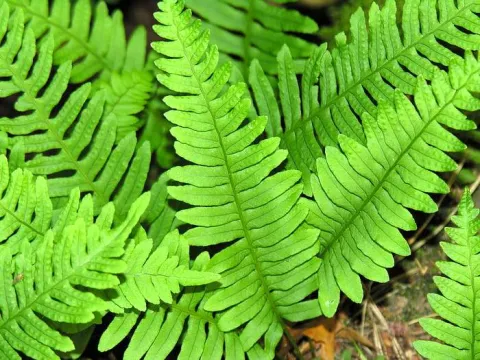
True ferns
Filicales
Commercial cultivation of true ferns is typically achieved through vegetative propagation by dividing the mature rootstocks of the plants.
What the section contains
True ferns
The optimal planting period is early spring once the soil has warmed up, ensuring the plant has enough time to establish its root system.
Autumn planting is also possible, provided it occurs well before the first hard frost, allowing roots to settle in the soil profile.
Spore propagation is reserved for controlled greenhouse environments where humidity and temperature can be strictly maintained to prevent desiccation.
Proper spacing is essential during planting to ensure optimal airflow and light distribution, which are critical for developing healthy fronds.
True ferns require loose, humus-rich, and well-draining soils that maintain moisture levels without becoming waterlogged.
The ideal soil pH for most fern species is slightly acidic to neutral, which supports nutrient availability and overall vigor.
These plants are shade-loving; therefore, they should be grown in locations with diffused light or under a canopy to avoid leaf scorching.
Consistent atmospheric and soil moisture is vital, necessitating the use of irrigation systems or misting in drier agricultural zones.
Ferns thrive in moderate temperatures and are sensitive to extreme heat or cold, requiring wind protection to prevent mechanical damage.
Yield capacity is dependent on the management of soil organic content and consistent hydration levels throughout the spring growth flush.
Healthy plantations can provide sustainable annual yields for many years, as the rootstocks remain productive through proper harvesting techniques.
The quantity of the harvest is measured by the weight of young, tender fronds collected before they transition into a more fibrous texture.
Maximizing yields involves protecting the emerging shoots from mechanical damage and preventing the competition of aggressive weeds.
Fertilization with organic compost helps sustain high productivity levels over multiple seasons of continuous plantation usage.
Fungal infections, such as leaf spot and various blights, are the most significant threats, especially in high-humidity environments.
Pests like slugs and snails pose a serious risk to young, succulent shoots, potentially reducing the marketability of the crop.
Root rots caused by poor soil drainage can kill entire sections of a plantation if water management is not strictly controlled.
Integrated pest management, including the use of biological controls, is preferred to ensure the safety of the harvested product.
Regular monitoring for early signs of disease and prompt removal of infected debris are essential for maintaining plantation health.
Harvesting is performed by cutting the young, curled fronds manually when they reach the desired maturity but before they unfurl.
Care must be taken to cut the stems cleanly to ensure the rootstock remains healthy and capable of producing future shoots.
The harvested product must be processed immediately, either through blanching, salting, or drying, to maintain its culinary quality.
Logistics require immediate cool storage and refrigerated transport to prevent the rapid deterioration of the tender fern shoots.
Sorting by length and quality ensures consistent market grades, which is important for both retail and wholesale distribution channels.