
Rocky Mountain pond lily
Nuphar polysepala
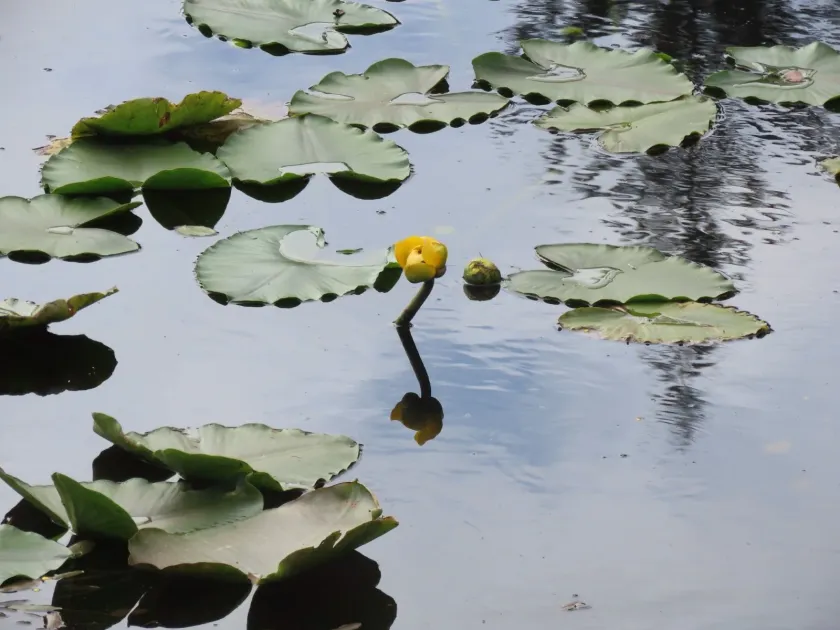
Description
Sowing dates
Propagation of the Rocky Mountain pond lily in aquaculture is most commonly achieved through vegetative means by dividing the rhizomes. The optimal time for this procedure is during the spring when the plant begins to emerge from dormancy.
For seed propagation, sowing is performed immediately after seed maturity into prepared substrates or directly into the water at a depth of 30–50 cm. Seeds require stratification, making autumn sowing the most biologically sound practice.
A crucial factor during sowing is securing the planting material into the bottom substrate to prevent displacement by water currents. Planting density must account for the vigorous growth of rhizomes that require ample space for development.
For commercial purposes, container cultivation is recommended, as it allows for controlled root system development and facilitates easier harvesting later in the season.
Young plants require protection from herbivores during the first weeks after transplanting until their leaf apparatus strengthens and reaches the water surface.
Growing requirements
The Rocky Mountain pond lily belongs to the Nymphaeaceae family and is a typical hydrophyte. This crop thrives in stagnant or slow-moving water bodies with silty, nutrient-rich bottom sediments.
The optimal water depth for normal vegetation ranges from 0.5 to 2.5 meters. The plant is highly sensitive to light levels; shading of the water surface by algae or other plants significantly slows its growth rate.
Water temperature is critical for the development of generative organs. The plant adapts best to moderate climates where summer water temperatures reach 18–22 degrees Celsius.
Water pH levels should be maintained within a slightly acidic to neutral range. High concentrations of dissolved minerals in the water stimulate increased leaf biomass production.
The plant demonstrates good tolerance to winter freezing of water bodies, provided the rhizomes remain buried within the bottom sediments below the ice-locking level, which provides natural insulation.
Yield
The economic value of the Rocky Mountain pond lily lies in its starch-rich rhizomes and seeds. The yield of green biomass and rhizomes depends on the level of water eutrophication and clarity.
Under favorable conditions, this lily can form dense colonies, providing a significant return of marketable product per hectare of water surface.
Seed harvesting is carried out during the period of full maturity when the seed pods begin to lose their firmness. Seed yields can reach several hundred kilograms per hectare with proper plantation management.
Rhizomes, which are rich in carbohydrates, are the primary harvest target at the end of the growing season when nutrient accumulation within them is at its peak.
The overall biomass productivity of the Rocky Mountain pond lily is comparable to certain marshland crops, making it a viable candidate for specialized aquatic farming.
Main diseases and pests
Primary pests include insects that target leaf plates, such as water lily beetles and certain species of moth caterpillars. Their activity can lead to premature senescence of the foliage.
Fungal diseases, such as leaf spot, occur due to poor water circulation and excessive planting density. Prevention involves the removal of infected plant fragments.
Waterfowl can cause significant damage to young plantations by feeding on the succulent leaf petioles. Protective netting is often used during the initial stages of plantation establishment.
Excessive growth of filamentous algae can suppress the lily by competing for sunlight and dissolved nutrients within the water column.
Abiotic factors, such as sudden fluctuations in water levels or anthropogenic pollution by petroleum products, pose a serious threat to the vitality of the crop.
Harvesting
Harvesting of rhizomes is primarily conducted manually using special rakes or dredging tools in the autumn when the above-water parts of the plant begin to wither.
Seeds are harvested during the mass maturation period of the pods. It is essential to collect them before they naturally crack and scatter into the water, which can be difficult in flowing water bodies.
Collected material requires immediate primary processing, including washing off silt and removing mechanical impurities, as rhizomes are prone to rotting under high humidity.
For long-term storage, rhizomes are dried or processed into flour, which preserves their nutritional value and chemical integrity for extended periods.
In industrial-scale cultivation, mechanized harvesting is possible if the water depth does not exceed one meter and the bottom has sufficient bearing capacity to support heavy equipment.