
Yellow water-lily
Nuphar
Description
Growing requirements
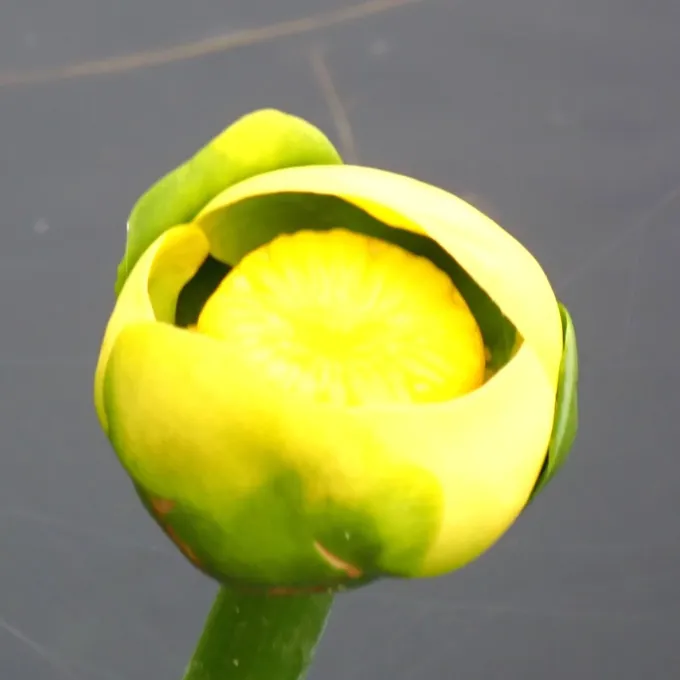
The yellow water-lily (Nuphar) is a genus of aquatic plants belonging to the family Nymphaeaceae. These plants are characterized by their thick, submerged rhizomes and yellow, cup-shaped flowers that bloom on the surface of freshwater bodies.
They are native to temperate regions across the Northern Hemisphere. Their natural habitat consists of ponds, lakes, and slow-moving rivers with soft, nutrient-rich bottom sediments. They are highly sensitive to water quality and perform best in stable aquatic ecosystems.
Successful cultivation requires water depths ranging from 0.5 to 2 meters. The plants thrive in environments with ample sunlight and require temperatures between 18 and 25 degrees Celsius during the growing season to ensure vigorous leaf development and rhizome growth.
Soil requirements involve organic-rich mud or silt. In pond management, the bottom composition is often supplemented with organic matter to provide essential nutrients for the developing root system, facilitating better growth and propagation.
Besides their ornamental value, Nuphar species play a vital role in water purification. They act as biological filters, absorbing nutrients that could otherwise cause algal blooms, making them a strategic component in sustainable aquaculture systems.
Main diseases and pests
The main pests affecting the yellow water-lily include water lily beetles, which feed on the leaves. Heavy infestations can lead to significant defoliation, stressing the plant and potentially leading to the death of the rhizome if the photosynthesis rate drops below critical levels.
Fungal pathogens such as leaf spot are common threats in stagnant water environments. These diseases cause necrotic lesions on leaves and, if not managed, can spread to the stems, severely weakening the plant's structural integrity.
Pollution from agricultural runoff, including pesticides and fertilizers, is extremely detrimental. Excessive nitrates can lead to anaerobic conditions at the bottom of the pond, causing root rot and systemic failure of the crop.
Changes in water levels are major threats. Droughts that expose the roots to air can kill the rhizomes, while sudden floods can wash away the silt layer, destabilizing the plant's anchorage and nutrient supply.
Competition from aggressive weeds and invasive hydrophytes can shade out the water lilies, reducing their access to light and resources necessary for their survival in a managed aquatic environment.
Harvesting
Harvesting usually takes place in autumn, as the plant begins its dormant phase. During this time, the concentration of secondary metabolites, which are essential for medicinal applications, is at its highest within the rhizomes.
The process involves carefully extracting the rhizomes from the silt using manual or mechanical tools. Proper extraction techniques are crucial to prevent excessive disruption of the ecosystem and to ensure future regrowth in the harvested area.
Post-harvest treatment requires immediate washing to remove mud and debris, followed by cleaning the roots. The rhizomes are then sliced into pieces to optimize surface area for efficient drying under controlled temperatures not exceeding 50 degrees Celsius.
Once dried, the material must be stored in cool, dry conditions with adequate ventilation to prevent fungal growth. Properly stored products can maintain their pharmaceutical quality for several years if protected from moisture.
Sustainable harvesting practices are essential. By leaving a portion of the rhizomes in the ground and ensuring the water quality is maintained, farmers can ensure long-term productivity and stability of their aquatic crop fields.