
Tuberous waterlily
Nymphaea tuberosa
Description
Growing requirements
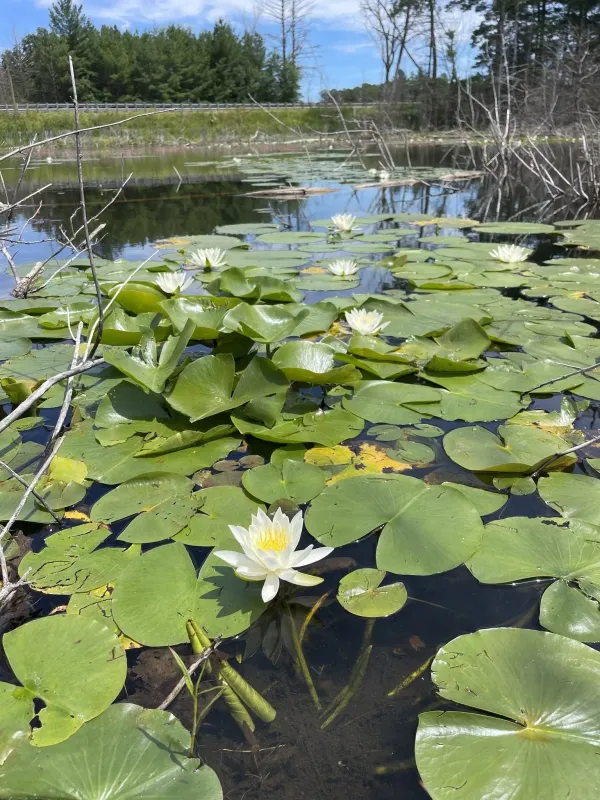
The tuberous waterlily is a perennial aquatic plant belonging to the Nymphaeaceae family, native to the wetlands of North America. It is characterized by a sturdy rhizome featuring unique tuber-like appendages, which function as both storage organs and a means of vegetative propagation.
Successful cultivation requires a stable aquatic environment with depths ranging from 60 to 150 centimeters. The species is heliophilous, meaning it demands full sun exposure to maintain high photosynthetic rates and ensure continuous flower production throughout the growing season.
Soil requirements involve a rich, clay-based substrate that provides stability and essential nutrients. In artificial ponds, these lilies thrive in containers filled with heavy loam mixed with organic amendments, which helps to anchor the plant and support its rapid biomass development.
The plant demonstrates high cold tolerance, making it suitable for temperate climate zones. As long as the rhizome remains submerged below the ice line during the winter, the plant will effectively survive the dormant period and regrow vigorously in the following spring.
Primary agricultural and horticultural uses include ornamental water gardening and landscape design. Beyond its decorative value, Nymphaea tuberosa plays a crucial role in water purification by absorbing excess nutrients and providing habitat and shade for various freshwater fish species.
Main diseases and pests
Fungal infections, such as leaf spot, are the most common phytopathological threats to this species, often triggered by poor water circulation or excessive organic decay in the pond. Regular monitoring and physical removal of infected foliage are essential for disease management.
Insect pests, including water lily beetles and aphids, pose a recurring challenge by damaging foliage and hindering growth. While beetles physically consume leaf tissue, aphids cluster on buds and young leaves, potentially transmitting viral pathogens between individual plants.
Integrated pest management strategies are recommended for controlling infestations without compromising the water quality. This involves hand-picking beetles and using environmentally safe, biodegradable biological sprays rather than harsh synthetic pesticides that harm aquatic fauna.
Mammalian herbivores, specifically muskrats, can cause significant economic loss by digging up and consuming the carbohydrate-rich tubers. Installing protective wire cages or barriers around the root zone is the most effective preventative measure against such damage.
Maintaining biological balance within the water feature is vital to preventing rot and decay. Providing adequate aeration and ensuring that the plant density is not overly excessive will reduce the risk of secondary infections and promote long-term plant health.