
Pygmy water lily
Nymphaea tetragona
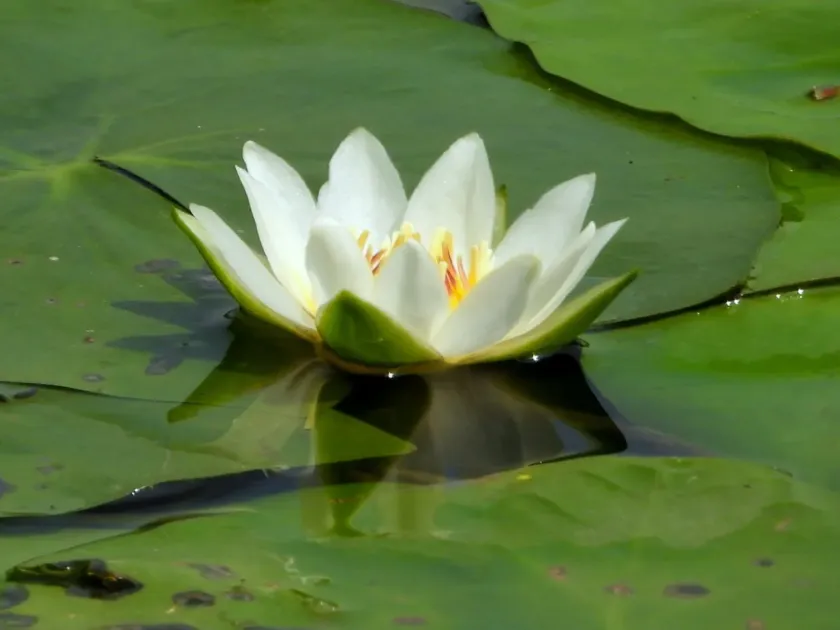
Description
Sowing dates
Propagation of the pygmy water lily is primarily conducted through vegetative division of the rhizomes. The most suitable period for these activities is early spring, immediately after the plant emerges from its winter dormancy, as this ensures rapid recovery and establishment of new growth points.
When propagating via seeds, they should be harvested upon maturation and sown shortly thereafter or stored in water until early spring. Seeds require a cold stratification period and should be sown in a rich, silty substrate submerged in shallow, warm water to trigger germination.
For successful establishment, the water temperature should be maintained between 15 and 20 degrees Celsius. Using mesh containers is recommended as it facilitates both the nutrient uptake through the root system and the ease of handling or overwintering the plants.
Properly securing the rhizome in the container using gravel or specialized clips is essential. This prevents the rhizome from floating and ensures stability, which is critical for the plant to successfully develop its initial leaf set.
After planting, the depth of the containers should be increased gradually. This step-wise process allows the plant to adapt to the water pressure without suffering from physiological stress, promoting healthier and more robust development.
Growing requirements
The pygmy water lily, a member of the Nymphaeaceae family, thrives in still or slow-moving water bodies. It performs best in depths ranging from 30 to 60 centimeters, which provides the ideal balance between light penetration and stable water conditions.
Light availability is a crucial factor for this species; it requires full sunlight for the majority of the day to ensure prolific blooming. Insufficient light levels will lead to leggy growth, reduced flower production, and a decline in overall plant vitality.
The soil substrate must be nutrient-rich, typically a mix of heavy clay and organic loam. The water quality is equally important, as this species is sensitive to chemical pollutants and excessive organic waste that can degrade the aquatic environment.
Temperature regulation is vital for biological development. An optimal range of 20–25 degrees Celsius during the growing season encourages active metabolism and frequent flower production, which are hallmark traits of healthy specimens.
Maintenance includes periodic cleaning of the pond to remove debris, decaying organic matter, and overgrowth. Proper aeration and water circulation are key to preventing the accumulation of gases that could negatively affect the rhizome health.
Yield
The primary use of the pygmy water lily is decorative, as it serves as a central aesthetic feature in small ponds and water gardens. In optimal conditions, a mature plant produces a series of elegant flowers that provide continuous interest throughout the summer.
Beyond its beauty, this plant plays a functional role in bio-filtration. By consuming excess nutrients from the water, it helps limit the growth of unwanted algae, thereby contributing to the clarity and ecological stability of the artificial aquatic system.
In commercial nursery settings, yield is measured by the number of viable divisions produced per season. High-intensity cultivation techniques with optimal fertilization can result in a significant number of transplantable units from a single mother plant.
Seed production serves both as a method for expanding collections and for breeding purposes. The total output of a plant depends largely on its maturity, health status, and the nutritional availability within its specific container environment.
This species is increasingly valued for urban greening and landscape restoration projects. Its compact size makes it highly versatile for small-scale water features where larger water lily species would quickly become overcrowded.
Main diseases and pests
Water lily aphids are the most significant pest, frequently colonizing the upper surface of the foliage. These insects can cause leaf curling and severe damage to the aesthetic quality of the plant, necessitating regular monitoring and gentle removal.
Fungal diseases, including leaf spot, often arise under conditions of poor water circulation or stagnant environments. Management involves the prompt removal of affected foliage and improving the water quality to inhibit further spread of the pathogen.
Damage by rodents or invasive fish can be a critical issue. Protecting the root system with robust mesh netting is a standard protective measure to ensure the rhizome is not destroyed or displaced by local fauna during the growing season.
Chlorosis, manifesting as yellowing leaves, is often a symptom of nutrient deficiency, particularly iron. This is commonly resolved by applying specialized aquatic fertilizer tablets directly into the substrate to provide localized, slow-release nutrients.
Invasive aquatic weeds may compete with the pygmy water lily for light and nutrients. Regular weeding of the container and surrounding pond area is necessary to ensure the pygmy water lily maintains its position as the dominant flora in its immediate space.