
Variegated yellow pond-lily
Nuphar variegata
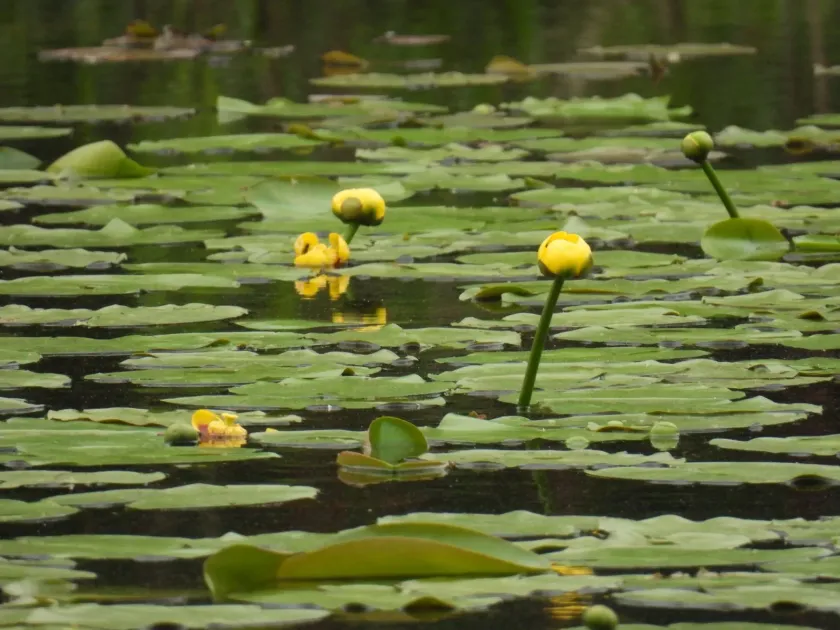
Description
Sowing dates
Propagation of the variegated yellow pond-lily is primarily achieved through rhizome division. The optimal timing for this procedure is late spring or early summer, when the water temperature in the pond reaches 15–18 degrees Celsius, signaling the start of the active growing season.
When planting, rhizome sections should be placed in containers filled with a nutrient-rich substrate consisting of clay, compost, and river sand. It is essential to securely anchor the rhizome within the soil to prevent it from floating to the surface before it can establish a root system.
Natural propagation via seeds requires a period of cold stratification. Seeds are sown into containers with silty soil in late autumn and submerged at a depth of up to 20 centimeters in a calm or slowly flowing water environment.
When cultivating in artificial ponds, it is crucial to maintain a distance of at least 80–100 centimeters between individual plants. This spacing ensures sufficient area for nutrient uptake and prevents shading, allowing for the healthy development of large floating leaves.
Successful establishment of new plantings depends on the quality of the rhizome sections. Using segments that possess well-developed growth buds significantly increases the chances of survival and accelerates adaptation to the new aquatic environment.
Growing requirements
The variegated yellow pond-lily belongs to the Nymphaeaceae family and is a characteristic hydrophyte. It thrives in still or slow-moving water bodies that provide a stable thermal regime and an adequate supply of dissolved minerals.
For optimal development, the plant requires a water depth ranging from 30 to 120 centimeters. Excessive depth can slow down metabolic processes, while shallow water may lead to overheating of the root system during hot summer months.
This species is highly adaptable to various bottom sediments, although it grows most vigorously in silty or sandy-silty soils with a neutral or slightly acidic pH. Water clarity is a vital factor for photosynthesis of the submerged foliage.
Light exposure is a critical parameter; the pond-lily develops best in open, sunny areas. In partial shade, the number of flower buds significantly decreases, and leaves may become smaller and less vibrant in color.
The plant demonstrates a wide tolerance for temperature ranges, inherited from its origin in northern North American latitudes. It is hardy and can survive freezing winters, provided the rhizome remains submerged in water beneath the ice layer.
Main diseases and pests
The primary biological threats to the variegated yellow pond-lily include phytophagous insects such as pond-lily beetles and larvae of certain pyralid moths, which can cause significant damage to the leaf epidermis in a short time.
In contained or stagnant artificial ponds, plants may suffer from fungal infections, typically manifesting as spotting on the leaves. These often develop when water circulation is poor and organic matter accumulates on the pond floor.
Rhizome rot is a serious condition often resulting from mechanical damage or the activity of burrowing aquatic animals. Damaged sections must be promptly removed and treated to prevent the spread of decay throughout the plant.
Invasive algae can pose a significant challenge by competing for nutrients and shading the pond-lily shoots. Regular maintenance of the pond's water quality and physical removal of excessive algae are recommended for plant health.
Aphid infestations may occur on floating leaves during hot and dry summer spells. Horticultural practices recommend gentle rinsing of the leaves with water or the use of targeted biological insecticides that are safe for the surrounding aquatic life.