
Small yellow water lily
Nuphar pumila
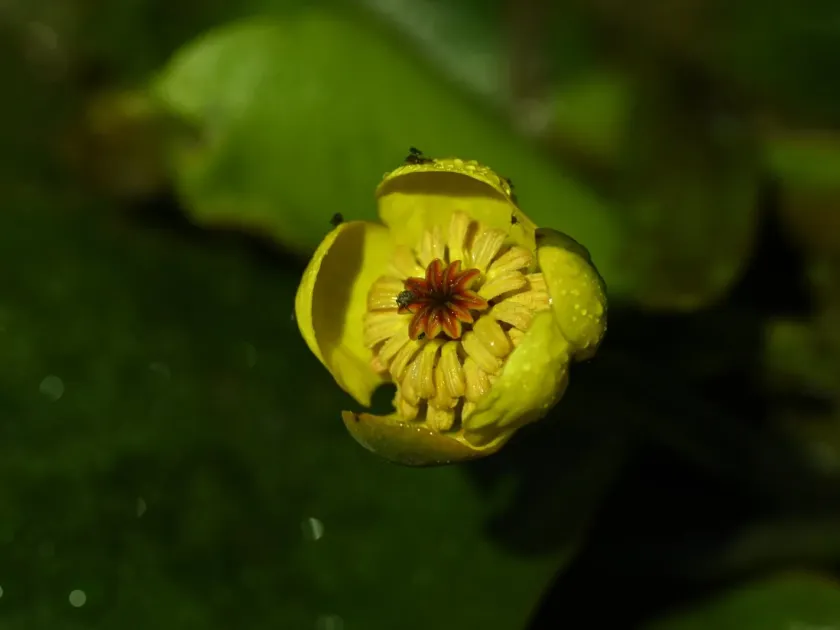
Description
Growing requirements
The small yellow water lily (Nuphar pumila) is a perennial aquatic plant belonging to the Nymphaeaceae family. It is a true hydrophyte, naturally occurring in slow-moving or stagnant waters, characterized by its ability to adapt to cooler temperate regions of Eurasia.
Environmental requirements for this species are specific regarding water quality. The plant thrives in clear, well-oxygenated water with depths ranging from 30 to 80 cm. It is particularly sensitive to water pollution and requires stable conditions to maintain its physiological balance.
For optimal growth, the bottom of the water body should consist of nutrient-rich silt or clay sediments. These substrates provide the necessary minerals for the development of a thick, robust rhizome, which is the plant's main structural and storage organ.
Temperature and light are critical factors for successful cultivation. Nuphar pumila prefers sunny, open environments where it can receive sufficient solar radiation for photosynthesis. While it is cold-hardy, the plant requires deep enough water to prevent the rhizomes from freezing solid in winter.
Agrotechnical management includes maintaining a consistent water level and avoiding the introduction of aggressive plant competitors. In a controlled pond setting, it is important to ensure the water remains relatively calm, as excessive water turbulence can disrupt leaf development.
Yield
The economic and practical use of Nuphar pumila is primarily focused on landscape design and botanical studies. Its small stature makes it an ideal candidate for container water gardens and decorative ponds where larger species would quickly become invasive.
Beyond its aesthetic value, the plant has a history of use in traditional medicine. The rhizomes are known to contain specific alkaloids, which have been studied for their potential pharmacological properties, although such use must be balanced with the conservation status of the plant.
Productivity in terms of biomass depends largely on the natural fertility of the pond floor. When properly established, the plant forms dense patches of floating leaves, providing both visual interest and habitat for aquatic micro-fauna.
The environmental benefit of growing this species is significant. By absorbing excess nutrients from the water, it acts as a natural purifier, improving water clarity and preventing the proliferation of harmful green algae.
Commercial harvesting is rarely practiced due to the plant's protected status in many countries. Most cultivation occurs in specialized nurseries focused on native aquatic flora conservation and pond restoration projects.
Main diseases and pests
The primary threats to Nuphar pumila include the degradation of aquatic ecosystems. Eutrophication, caused by runoff from nearby agricultural areas, leads to excessive algal growth, which outcompetes the lily and reduces oxygen levels in the water.
Biological threats include various fungal pathogens that target the root systems, especially in stagnant or poorly aerated environments. Additionally, leaf-eating insects can significantly reduce the photosynthetic surface area during the peak growing season.
- Agricultural pesticide runoff affecting water quality.
- Encroachment of invasive floating weeds like duckweed or water hyacinth.
- Water level fluctuations leading to desiccation of the shoreline.
- Heavy metal accumulation in the bottom sediments.
- Damage by aquatic herbivores such as muskrats or specialized insects.