
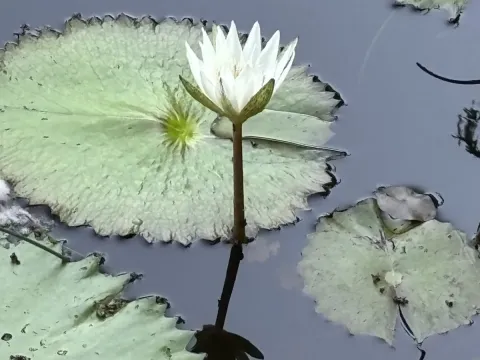
Nymphaea ampla
Nymphaea ampla
Nymphaea ampla is a species of aquatic plant in the family Nymphaeaceae, native to the tropical regions of the Americas. It is known for its elegant floating leaves and striking flowers that often appear above the water surface.
What the section contains
Nymphaea ampla
The plant thrives in tropical climates where the temperature remains consistently warm. It requires full sunlight exposure to stimulate blooming, making it an ideal choice for open, sun-drenched ponds.
For optimal growth, the water temperature should be maintained between 22 and 30 degrees Celsius. Sudden drops in temperature can cause the plant to enter dormancy or lead to stunted development of the foliage.
The substrate should be rich in organic matter, typically a mix of heavy soil or aquatic compost. Using fertilizer tablets near the root zone is a common practice to ensure steady nutrient delivery throughout the growing season.
Maintenance involves managing the depth of the water to ensure the leaves can float freely. Stagnant water should be avoided, and good water quality is essential to prevent the accumulation of hazardous substances.
Pests such as aphids and leaf-eating beetles can cause significant damage to the foliage of Nymphaea ampla. Regular inspection of the leaves is recommended to identify and treat infestations early.
Fungal infections, often manifesting as leaf spots or crown rot, can occur if the water circulation is poor or if the plant is overcrowded. Improving air movement and water quality helps mitigate these risks.
Water quality issues, including improper pH levels or excessive nutrient concentrations, can lead to unwanted algae blooms. Algae compete for resources and can shade the plant, inhibiting its growth.
In certain habitats, snails may feed on the young tissue of the plant. While limited snail presence is natural, an overabundance should be managed to protect the integrity of the leaves.
Prevention remains the most effective strategy for managing threats. Keeping the water environment healthy and ensuring the plants have adequate space to grow will reduce the likelihood of disease and pest outbreaks.