
Nymphaea rudgeana
Nymphaea rudgeana
Description
Growing requirements
Nymphaea rudgeana is a perennial aquatic plant belonging to the Nymphaeaceae family. This species originates from the tropical zones of Central and South America, where it thrives in stagnant or slowly moving freshwater bodies with rich, muddy bottoms.
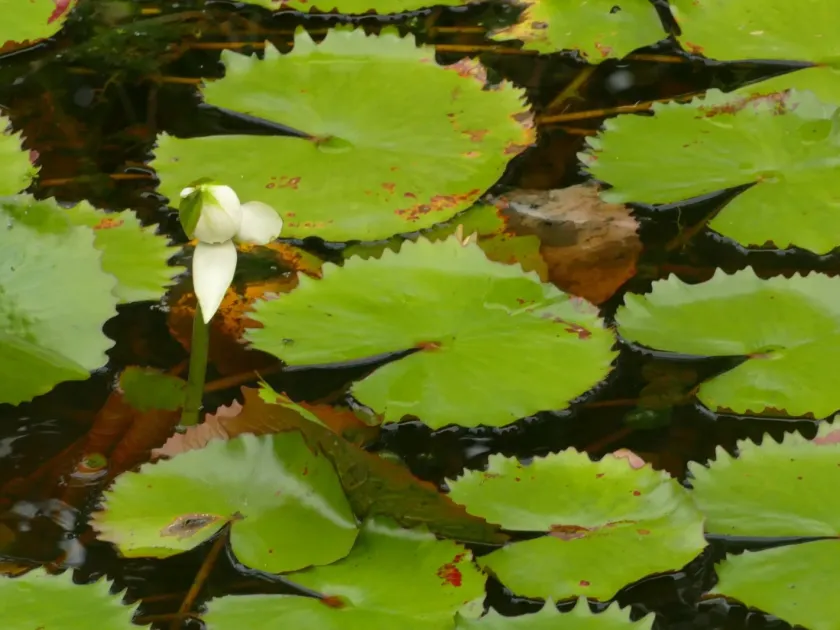
Botanically, it is characterized by large, floating leaves with distinctively serrated edges and a robust vertical rhizome. The flowers are notably beautiful, typically opening at night, which is a key trait of this specific tropical water lily species.
Successful cultivation requires water temperatures consistently between +24 °C and +28 °C. Since it is a tropical plant, it does not tolerate cold water and must be protected from freezing, making it suitable for greenhouses or heated outdoor ponds in warmer climates.
The planting substrate should be nutrient-dense, consisting of clay, humus, and organic silt. A fertile bottom layer is essential for the plant to develop its massive root system and sustain its rapid vegetative growth during the active season.
Effective management includes providing high-intensity light and adding specialized fertilizers directly to the substrate. Maintaining a stable pH between 6.0 and 7.5 helps the plant absorb essential nutrients efficiently for optimal floral production.
Main diseases and pests
Snails and larvae are the most common pests that can consume the delicate leaf tissues. Monitoring the plants regularly is vital to prevent significant damage to the floating foliage, which can weaken the entire plant.
Fungal diseases often manifest when water quality deteriorates or temperature fluctuations occur. Symptoms such as brown spots on leaves or soft rot on the petioles require immediate intervention to stop the spread of infection.
Algal blooms pose a significant threat by competing for sunlight and nutrients. Keeping the water chemistry balanced is a critical preventive measure to ensure the Nymphaea rudgeana remains the dominant species in the container or pond.
Bacterial infections can target the rhizome if it is physically damaged or planted in stagnant, sulfur-rich soil. Ensuring proper water circulation around the root zone helps mitigate these risks significantly.
Viral infections, although less common, can cause stunted growth and leaf distortion. Infected plants should be removed from the growing area immediately to protect other specimens in the collection from potential transmission.