
Nymphaea glandulifera
Nymphaea glandulifera
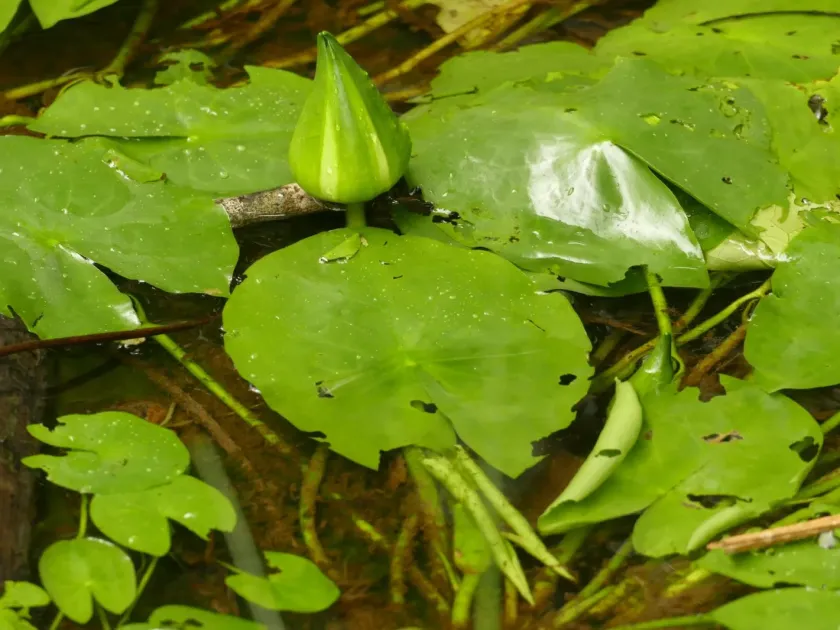
Description
Sowing dates
Propagation of Nymphaea glandulifera primarily relies on seeds, which develop within submerged capsules after pollination. In a cultivated setting, seeds are sown into a nutrient-rich substrate, typically composed of clay, peat, and organic silt, placed at the bottom of a container or pond.
The optimal time for sowing is when water temperatures consistently exceed 22 degrees Celsius, as this tropical species requires significant warmth for germination. Pre-soaking seeds in warm, dechlorinated water can assist in overcoming dormancy and lead to more uniform sprout development.
Proper light management during the germination phase is critical; seeds require indirect but bright illumination to trigger growth without being scorched. Clear water is essential, as suspended sediment or algal blooms can significantly limit the light reaching the germinating seeds at the substrate level.
As the plant develops, it first forms submerged leaves before transitioning to floating foliage. The water level should be managed carefully to ensure it does not rise too rapidly, which would overwhelm the juvenile plants before they have established a stable leaf surface area.
Successful planting requires adequate spacing to prevent competition between individual plants. A density of 2 to 3 plants per square meter is generally sufficient to allow each individual enough room to spread its floating leaves and maximize photosynthetic efficiency.
Growing requirements
Nymphaea glandulifera is a member of the Nymphaeaceae family, known for its preference for warm, stagnant or slow-moving freshwater environments. This perennial aquatic herb thrives in nutrient-dense bottom sediments typical of tropical water bodies.
The species has a high light requirement, needing at least six to eight hours of direct or high-intensity sunlight daily to maintain vigorous growth and promote the production of flowers. Reduced light levels will lead to leggy, weak plants and a drastic reduction in floral display.
Temperature is the most significant factor in cultivating this species; it requires water temperatures between 24 and 28 degrees Celsius to remain active. In temperate zones, this plant must be grown in climate-controlled indoor ponds or greenhouses with dedicated water heating systems.
The chemical profile of the water should be slightly acidic to neutral, avoiding high concentrations of mineral salts that can interfere with nutrient uptake. A rich, heavy clay-based soil provides the necessary anchorage and long-term nutrition for the plant's robust root system.
Water depth should be maintained between 30 and 80 centimeters to ensure a stable thermal environment and to allow the plant to reach the surface with its petioles. Regular monitoring of carbon dioxide levels in the water can further enhance photosynthetic performance in enclosed systems.
Main diseases and pests
Pest pressure from leaf-eating insects, such as water lily beetles, is a constant challenge for Nymphaea glandulifera. These pests can rapidly defoliate a plant if left unchecked, so manual removal of larvae and eggs is the preferred primary defense method.
Fungal diseases, often manifesting as leaf spot, are prevalent in environments with poor circulation and stagnant water. To mitigate these threats, it is essential to ensure a gentle flow of water and to remove any decaying organic matter promptly from the pond surface.
Aphid infestations commonly occur on the undersides of floating leaves and emerging buds, drawing sap and weakening the plant structure. Utilizing organic insecticidal soaps or biological control agents is effective for managing these populations without harming the sensitive aquatic ecosystem.
Algal overgrowth acts as a major competitor for resources and light, directly affecting the health of the Nymphaea. Balancing the nutrient load in the water and introducing beneficial bacteria can suppress algae, ensuring the primary crop has the competitive advantage it needs.
Environmental stress, such as sudden fluctuations in temperature or water quality, can manifest as stunted growth or chlorosis. Maintaining strict control over the water environment is the best prevention against a wide range of physiological disorders and secondary infections.