
Least water lily
Nymphaea candida
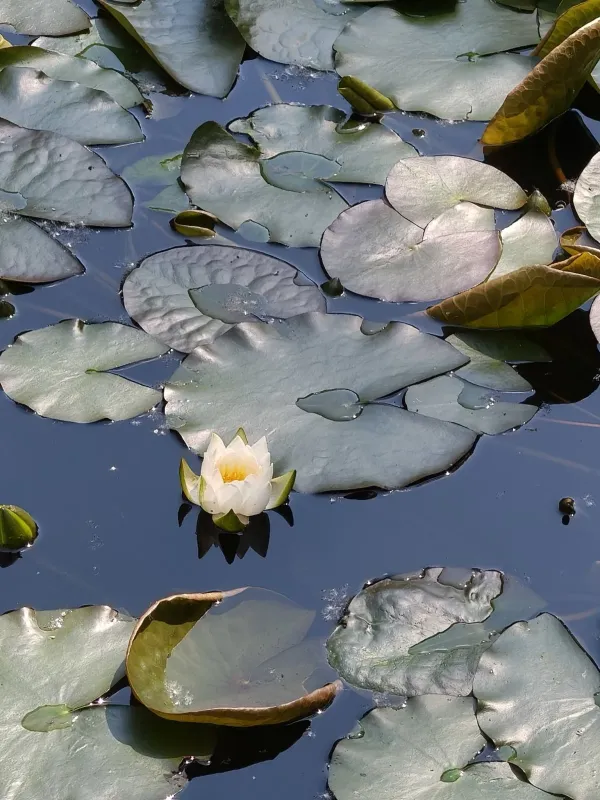
Description
Growing requirements
The least water lily (Nymphaea candida) is a member of the Nymphaeaceae family. This perennial aquatic plant is native to temperate regions of Eurasia and is typically found in stagnant or slow-moving water bodies.
The plant thrives in sunny locations with nutrient-rich silty beds. The ideal water depth for optimal growth is between 0.5 and 1.2 meters, allowing the foliage to reach the surface while keeping the roots in a stable environment.
Environmental requirements include clear, non-polluted water and sufficient light exposure. Nymphaea candida is highly sensitive to water chemistry, preferring neutral or slightly acidic conditions for its vegetative development.
Cultivation in artificial ponds requires heavy clay soil enriched with aquatic fertilizers. This provides the necessary anchor for the rhizomes and ensures that essential nutrients are released slowly throughout the growing season.
Agrotechnical maintenance involves thinning out dense foliage to ensure water circulation and light penetration. Dividing the rhizomes every few years is crucial to maintain the vigor and flowering capacity of the plant.
Main diseases and pests
The water lily beetle is the most common pest that feeds on the leaves, leaving unsightly holes and significantly weakening the plant's photosynthetic capacity if left untreated.
Aphid infestations are frequently observed on the surface leaves and flower buds. These pests extract sap, which can cause stunted growth and promote the development of sooty mold on the foliage.
Fungal leaf spot diseases may occur in stagnant water with poor aeration. Maintaining good water quality and removing decaying organic matter are key preventative measures against fungal spread.
Rotting of the rhizome can be caused by pathogenic bacteria when the water becomes too warm and organic debris accumulates in the planting zone during mid-summer.
Aquatic rodents, including muskrats, can pose a significant threat to established plantings by consuming the starchy rhizomes, which necessitates the use of protective netting during installation.