
Nymphaea lotus
Nymphaea lotus
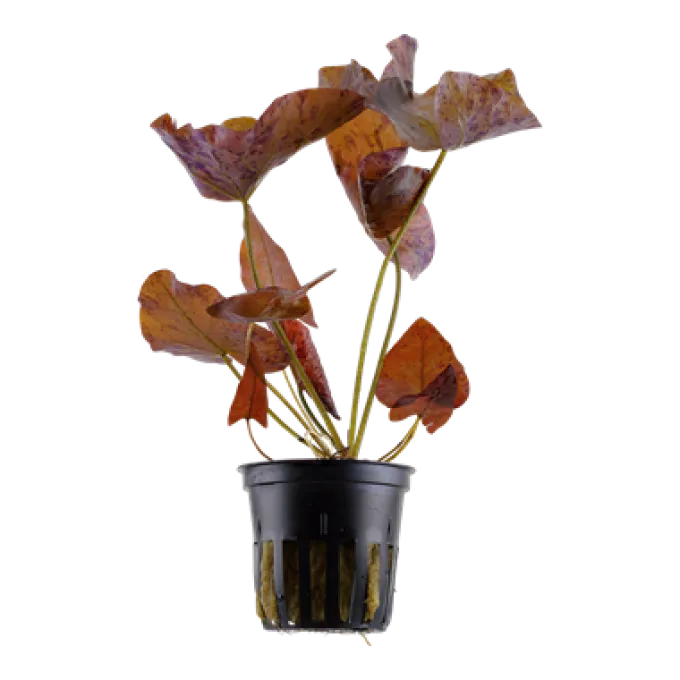
Description
Sowing dates
Cultivation of Nymphaea lotus primarily involves starting from seeds or using rhizome division in controlled aquatic environments to ensure high germination rates.
Seeds should be sown in a rich, silty substrate placed in containers. It is essential to submerge these containers in water that is maintained at a stable, warm temperature.
For vegetative propagation, healthy rhizomes are carefully divided and planted in bottom sediments or specialized aquatic baskets to encourage quick establishment.
The germination phase requires constant light exposure and temperatures above 22 degrees Celsius, often necessitating the use of greenhouse systems for optimal results.
Young seedlings require attentive care, including the removal of competing weeds and algae, to ensure they receive sufficient nutrients during their early growth stages.
Growing requirements
Nymphaea lotus is a tropical plant that thrives in warm climates, requiring water temperatures consistently between 20 and 30 degrees Celsius for healthy development.
The plant prefers still or slow-moving water bodies with depths ranging from 30 to 120 centimeters, allowing for adequate light penetration for the leaves.
High levels of sunlight are crucial for this species; plants exposed to full sun will develop stronger stems and more vibrant flowers compared to those in shaded areas.
A nutrient-rich substrate, preferably a blend of organic silt and clay, is necessary to provide the minerals required for the rapid growth of the plant's biomass.
Water quality must be monitored regularly to maintain a near-neutral pH, as extreme fluctuations in water chemistry can inhibit growth and lead to plant decline.
Yield
The economic potential of Nymphaea lotus lies in its multiple uses, including harvesting seeds for food, rhizomes for starch, and flowers for the perfume industry.
Yield is determined by the density of the planting and the overall health of the aquatic ecosystem, which dictates the rate of photosynthesis and nutrient absorption.
Seed harvesting occurs when the pods reach maturity; timely collection is essential to prevent the seeds from dispersing naturally into the depths of the water body.
Rhizomes are harvested during the plant's dormant phase, yielding high-quality starch that serves as a valuable resource for various industrial and food applications.
Flowers are gathered during the early morning hours to maintain peak freshness for aromatic oil production, adding significant value to the total crop output.
Main diseases and pests
Aquatic insects, particularly larvae, pose a constant threat to the leaf structure, which can decrease the plant's photosynthetic capacity if left unchecked.
Fungal pathogens and leaf spot diseases often develop in stagnant water conditions, necessitating proper water management and periodic circulation to maintain plant health.
Aphids can infest the flowers and above-water foliage, requiring targeted biological control methods that are safe for use within an aquatic farming environment.
Invasive weeds like water hyacinth can significantly hinder the growth of the lotus by competing for space, sunlight, and the nutrients present in the water.
Prevention of diseases is best achieved by maintaining optimal planting spacing, which allows for better oxygen circulation around the leaves and stems of the plants.
Harvesting
Harvesting Nymphaea lotus requires specialized watercraft and tools designed to protect the integrity of the underwater parts of the plant during the process.
Seed collection is often performed using fine-mesh nets, which are deployed around the plants to capture mature seeds as they are released from the pods.
Rhizome extraction is typically executed using manual dredging tools at the end of the season when the plant has finished its most active growth phase.
Post-harvest cleaning is vital; all collected parts must be washed to remove mud and organic debris immediately to ensure the longevity of the gathered biomass.
Efficient logistics during the harvest allow for the quick transfer of the crop to processing facilities, ensuring that the moisture and quality of the raw materials are preserved.