
Leiberg's water lily
Nymphaea leibergii
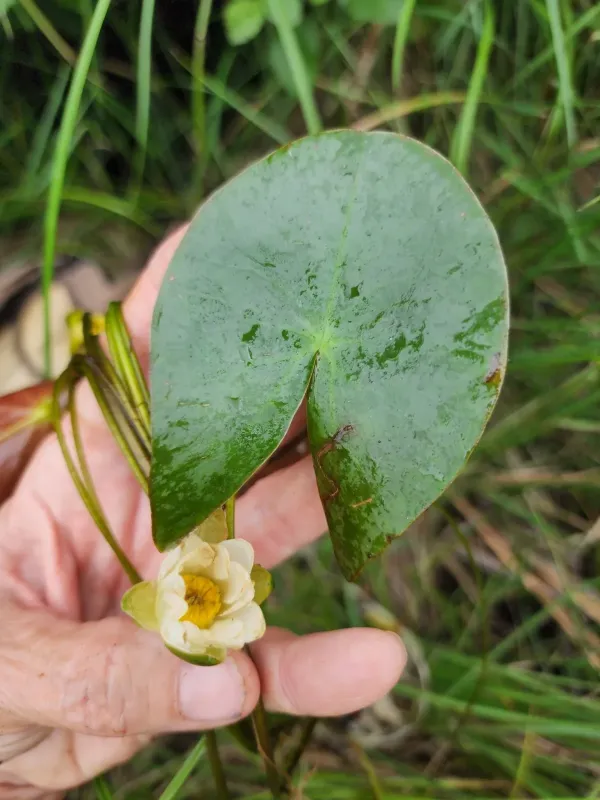
Description
Growing requirements
Leiberg's water lily (Nymphaea leibergii) is a perennial aquatic plant belonging to the Nymphaeaceae family. It is a distinct species characterized by its ability to thrive in boreal environments, maintaining a submerged rhizome and floating leaves that facilitate gas exchange and light absorption.
The native range of this species extends through northern latitudes of North America and Eurasia. It typically colonizes slow-moving streams, ponds, and marshy areas where the water column remains relatively stable throughout the summer season, providing consistent conditions for growth.
Cultivation of this species requires careful management of water temperature and depth. As a boreal plant, it prefers moderate water temperatures and is highly sensitive to the sudden warming of shallow ponds, necessitating appropriate depth placement to ensure thermal stability for the roots.
The substrate for Leiberg's water lily should mimic its natural habitat, consisting of nutrient-rich silt, heavy clay, and organic matter. This combination is essential for anchoring the plant and supporting its nutrient uptake through the root system, which remains embedded in the pond floor.
Sunlight exposure is a critical factor for the vigor of this species. It requires full or partial sun to stimulate the production of flowers and to maintain the health of the foliage. Excessive shade from surrounding vegetation can lead to stunted growth and reduced blooming capacity.
Main diseases and pests
The primary threats to Nymphaea leibergii include fungal leaf spots, which often manifest in stagnant or poorly aerated water. These pathogens spread quickly in environments where water circulation is insufficient, leading to the rapid decay of leaf tissues and weakening the plant.
Pests such as aquatic snails and various insect larvae present significant risks by feeding on the leaves and immature buds. Their feeding activity creates entry points for secondary infections, which can severely compromise the plant's health and aesthetic appeal in a pond setting.
Invasive algae often outcompete water lilies for nutrients and light, particularly in artificial ponds with nutrient runoff. Controlling algae growth through biological means, such as introducing beneficial bacteria or maintaining natural balance, is essential for protecting the lily.
Environmental fluctuations, including water level drops, pose a severe threat by exposing the rhizomes to air and predators. Maintaining a consistent water level is crucial for the survival of the plant, especially during the peak of the growing season when transpiration rates are high.
Proactive management involves the regular removal of decaying organic matter and monitoring for early signs of pest infestation. By ensuring good water quality and proper hygiene in the aquatic environment, growers can effectively manage the risks and ensure the long-term health of the lily.