
Nymphaea hybrids
Nymphaea hybrids
Description
Growing requirements
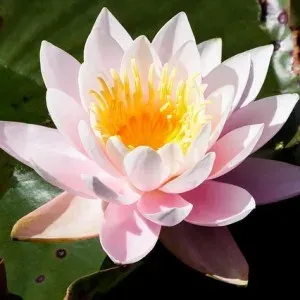
Nymphaea hybrids, belonging to the Nymphaeaceae family, are perennial aquatic plants widely prized for their large, showy flowers and floating foliage. These hybrids are specifically bred for enhanced hardiness, extended blooming periods, and a vast array of colors, making them staples in aquatic horticulture.
Successful cultivation requires high light levels, as these plants are heliophilic and demand at least six hours of direct sunlight to bloom effectively. If grown in containers, they should be placed at the appropriate depth according to the specific hybrid's requirements, ranging from shallow margins to deep water zones.
The planting substrate is crucial for these aquatic plants; a mixture of heavy clay and slow-release aquatic fertilizer is recommended. Unlike terrestrial plants, water lilies derive nutrients primarily through their roots in the sediment, so ensuring nutrient availability within the container is essential for vigorous growth.
Temperature management is vital, as most hybrids thrive in temperate to tropical conditions. In colder regions, maintenance includes overwintering techniques, such as moving containers to deeper parts of the pond or into frost-free environments to prevent the rhizome from freezing.
Beyond their decorative value, Nymphaea hybrids serve an important ecological function in ponds. By shading the water surface, they naturally suppress the growth of algae, thereby improving water clarity and providing vital shelter for fish and other beneficial pond organisms.
Main diseases and pests
Common pests include the water lily beetle, which feeds on leaves and creates unsightly holes, as well as aphids that cluster on flowers and pads. Management involves physical removal of infested foliage and maintaining healthy pond conditions to support natural predators.
Fungal diseases like leaf spot can occur, particularly in stagnant, nutrient-overloaded water. To maintain a healthy display, gardeners must ensure good water circulation, avoid overcrowding, and promptly remove any decaying leaves or stems from the pond environment.