
Mexican waterlily
Nymphaea mexicana
Description
Growing requirements
The Mexican waterlily (Nymphaea mexicana) is a prominent member of the Nymphaeaceae family, known for its striking yellow flowers and high adaptability to aquatic environments. Native to the southern United States and Mexico, this perennial plant has established itself in various warm, slow-moving freshwater ecosystems.
Botanically, it is defined by its strong rhizomatous root system and the production of stolons. These specialized stems allow the plant to colonize the floor of a pond effectively, making it a vigorous grower when conditions are ideal for its development.
Successful cultivation requires full sun exposure and warm water temperatures, ideally above 18 degrees Celsius. The plant performs best when placed in rich, heavy clay-based soil within containers, which helps manage its aggressive spreading habits in smaller garden ponds.
Depth is a critical factor for the Mexican waterlily; it generally prefers a planting depth ranging from 30 to 90 centimeters. If the depth is too shallow, the plant may suffer from temperature fluctuations, whereas excessive depth may limit light penetration and hinder blooming.
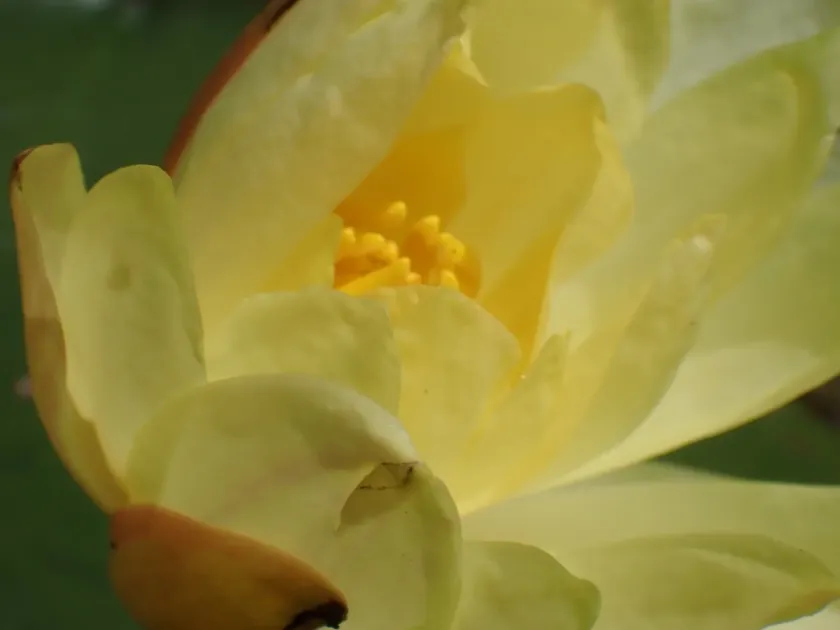
The primary horticultural use of this species is in landscape architecture, specifically for naturalizing ponds and providing habitat for aquatic fauna. It is highly valued for its ability to produce vibrant yellow blooms that contrast beautifully with the dark green, mottled foliage.
Main diseases and pests
Waterlily beetles represent the most significant threat to the foliage of Nymphaea mexicana, often skeletonizing the leaves and severely impacting the plant's vigor. Regular inspection of the leaves is necessary to catch infestations early.
Aphids are another common pest that congregate on the upper surfaces of the floating leaves. While they are often controlled by natural predators, heavy infestations might require manual washing or the use of targeted aquatic-safe treatments.
Fungal leaf spot diseases can manifest in water bodies with poor circulation or insufficient water surface movement. Maintaining a clean environment and removing any decaying organic matter from the pond is essential for disease prevention.
Root rot, often caused by water-logging and soil compaction, can damage the rhizome. Proper substrate preparation with sufficient organic matter and grit ensures better oxygenation, which protects the root system from decay.
Invasive algae competition remains a threat in nutrient-rich water. By managing nutrient levels and ensuring the lily has enough surface space to thrive, the gardener can protect the plant from being overshadowed or choked out by aggressive weeds.