
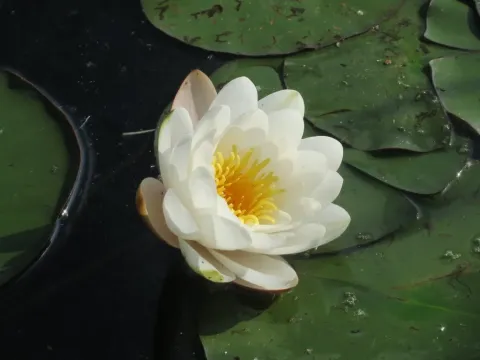
Nymphaea
Nymphaea L.
Planting of Nymphaea (Nymphaea L.) for commercial or ornamental purposes is primarily conducted during the spring and summer, once water temperatures reach 15–20°C. In northern regions, late May to early June is considered optimal to ensure proper rooting before the onset of autumn chill.
What the section contains


Nymphaea
Propagation is most commonly achieved vegetatively by rhizome division. Mature clumps are extracted from the substrate, divided into sections containing multiple growth points, and planted into specialized perforated containers or directly into the pond bed.
Seed propagation is rarely used, mainly for breeding purposes. Seeds are sown in containers with moist sandy substrate and submerged in water, requiring strict temperature control and specific light levels to ensure successful germination and seedling development.
When using containerized planting, it is crucial to determine the correct depth based on the variety. Dwarf species typically require a depth of 20–40 cm, while large-flowered varieties are capable of thriving at depths of 150 cm or more depending on their growth habit.
Preparation of the planting site includes the use of a nutrient-rich substrate, consisting of a mix of heavy clay, compost, and river sand. It is important to provide sufficient space around the rhizome to allow for rapid expansion during the first vegetative season.
Nymphaea is a high-demand crop regarding light levels. For full blooming and vegetative growth, plants require at least 6–8 hours of direct sunlight daily; insufficient light leads to elongated petioles, poor leaf structure, and a significant reduction in flower production.
The culture has specific requirements regarding water composition and soil health. Optimal water is neutral to slightly acidic, rich in nutrients, but not prone to excessive siltation. Stagnant or slow-moving water is preferred over high-velocity currents, which can damage the foliage.
Water temperature is the critical factor for survival: most Nymphaea L. species thrive in the 20–25°C range. If temperatures drop below 10°C, active growth ceases, and tropical varieties require mandatory relocation to heated facilities during winter months to prevent tissue death.
The substrate at the bottom of the pond or in containers must possess high nutrient retention. Heavy garden clay enriched with slow-release organic fertilizers is recommended, as these nutrients do not leach easily into the water, ensuring steady feeding throughout the growth cycle.
A vital requirement is protection against mechanical damage and pressure from aquatic fauna, including certain fish species known to disturb root systems. Maintaining a stable water level prevents rhizome desiccation or freezing during the dormant winter period.
Among the typical diseases of Nymphaea, powdery mildew is prevalent, affecting leaves during periods of high humidity and significant temperature fluctuations. It manifests as a white, powdery coating on leaf blades, which disrupts the photosynthetic process and weakens the plant.
Fungal leaf spots, such as Cercospora, can cause necrotic tissue lesions. Upon the first signs of disease, it is necessary to remove the infected plant parts and apply fungicides that are certified as safe for use in aquatic environments to prevent further spread.
The water lily beetle is the most dangerous pest, as it skeletonizes the leaves. Larvae tunnel into the leaf tissue, leading to premature leaf death and overall plant decline, which significantly reduces the aesthetic and physiological value of the crop.
Aphids often congregate on young leaves and buds, extracting plant sap and potentially transmitting viral diseases. Control methods include mechanical removal via water spray or the use of biological control agents that do not adversely affect water quality or pond inhabitants.
Chironomids (midge larvae) may occasionally damage the roots and petioles of young plants. Integrated pest management should focus on monitoring population density and utilizing targeted, eco-friendly insecticides that maintain the safety of the pond ecosystem, including fish and amphibians.