
Hairy water lily
Nymphaea pubescens
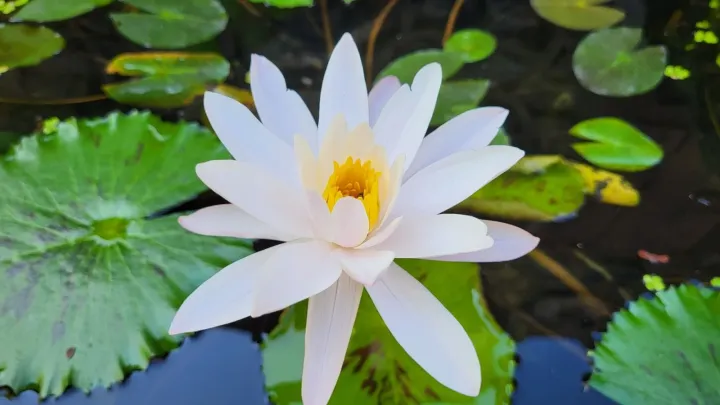
Description
Sowing dates
Cultivation of the hairy water lily (Nymphaea pubescens) begins with the selection of viable seeds or healthy rhizomes to ensure successful establishment of the crop.
The optimal time for planting is during the spring, once the water temperatures have stabilized between 25 and 28 degrees Celsius to promote rapid germination.
Seeds are typically soaked in water to break dormancy before being sown into containers filled with nutrient-rich silt, placed at a depth of 20-30 centimeters.
Vegetative propagation involves dividing mature rhizomes during the dormancy phase, ensuring each section contains a viable growth point for rapid development.
Commercial plantations require precise spacing to manage plant density, which prevents nutrient competition and ensures optimal flowering and biomass production.
Growing requirements
The hairy water lily belongs to the Nymphaeaceae family and is a tropical species that demands high water temperatures and consistent light exposure for growth.
Ideal conditions include calm or slow-moving water bodies with depths ranging from 0.5 to 1.5 meters, featuring a soft, organic-rich sediment bed.
Water quality is critical for this species; it requires a neutral to slightly acidic pH level and freedom from industrial pollutants or excessive nitrogen runoff.
The climate must be tropical or controlled, as the plant is highly sensitive to temperatures dropping below 15 degrees Celsius, which can inhibit its metabolic functions.
In temperate zones, cultivation is only feasible in greenhouse environments using artificial heating and lighting systems to maintain year-round productivity.
Yield
The yield of Nymphaea pubescens is measured by the harvest of starch-rich rhizomes and, in some cases, the collection of seeds and young floral stalks for culinary use.
Rhizomes typically reach harvestable size by the end of the second growing season, provided that the water column is supplemented with necessary mineral nutrients.
Seed production is consistent if the water body remains healthy, though it requires careful timing as seed pods submerge shortly after the flowers close.
Productivity is significantly enhanced by managing solar radiation and ensuring that the sediment layer is rich in organic matter to support the root system.
The plant is highly valued for its versatile use in regional diets and traditional medicine, making it a sustainable crop choice for specific tropical environments.
Main diseases and pests
Common fungal diseases such as powdery mildew can severely impact the health of the leaves, especially if the water circulation within the pond is inadequate.
Pests like aphids and water lily beetles can cause substantial damage to the floating leaves, which decreases the plant's overall photosynthetic efficiency.
Integrated pest management, including biological controls like introducing small fish, is often preferred over chemical applications to maintain ecological stability.
Water contamination, particularly with hydrocarbons or pesticides, poses a lethal risk to the crop, leading to chlorosis and potential collapse of the plant beds.
Regular maintenance, including the removal of dead leaf matter and monitoring water chemistry, is the foundation of protecting the health of the plantation.
Harvesting
Harvesting the rhizomes is a manual process performed at the end of the growth season when the plant begins to retreat into its winter dormancy state.
The harvesting process must be handled carefully to avoid damaging the underlying growth points, ensuring that the next season's crop is not compromised.
Once gathered, the biomass is thoroughly cleaned of debris and aquatic organisms before being processed into food products or sorted for wholesale distribution.
Seed pods are gathered by hand before they drop under the water's surface, requiring daily monitoring of the aquatic area during the flowering peak.
Proper post-harvest handling involves keeping the produce in a cool, moist environment to preserve its freshness and nutritional properties for market transport.