
Nymphaea micrantha
Nymphaea micrantha
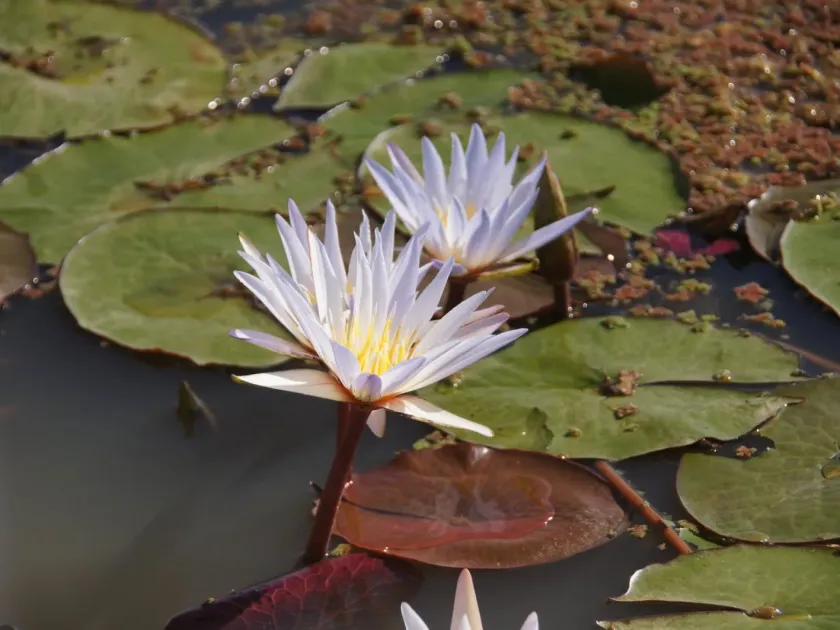
Description
Growing requirements
Nymphaea micrantha is a fascinating aquatic species belonging to the Nymphaeaceae family, native to tropical West Africa. This species is widely recognized among botanists for its viviparous nature, where daughter plantlets develop directly from the center of the leaf blades.
The plant thrives in warm, tropical climates, requiring water temperatures consistently between 22 and 28 degrees Celsius. Due to its tropical origins, it cannot survive in freezing temperatures, making it suitable primarily for greenhouses, tropical aquariums, or heated garden ponds.
The substrate requirement for optimal growth involves a nutrient-rich clay-based soil. It is essential to ensure that the medium remains stable, as frequent disturbance of the roots can lead to significant stress and cessation of vegetative growth.
Regarding light, Nymphaea micrantha requires high-intensity lighting conditions to maintain its compact size and promote flowering. A photoperiod of 10 to 12 hours of light is recommended to ensure robust development of both the leaf structure and the reproductive organs.
Water quality parameters, such as pH and hardness, should be carefully monitored. The plant prefers slightly acidic water, and an abundance of dissolved minerals is necessary to support the high metabolic rate required for the production of new leaves and plantlets.
Main diseases and pests
The most common health issues for Nymphaea micrantha are related to fungal infections of the rhizome and leaves, often caused by stagnant water or the accumulation of organic debris. Regular maintenance of water cleanliness is vital to prevent these outbreaks.
Pest threats include common aquatic pests such as aphids, which can infest the surface leaves, and certain species of snails that graze on tender plant tissues. Integrated pest management, focusing on biological controls, is highly recommended to protect the health of the specimens.