
Orthrosanthus laxus
Orthrosanthus laxus
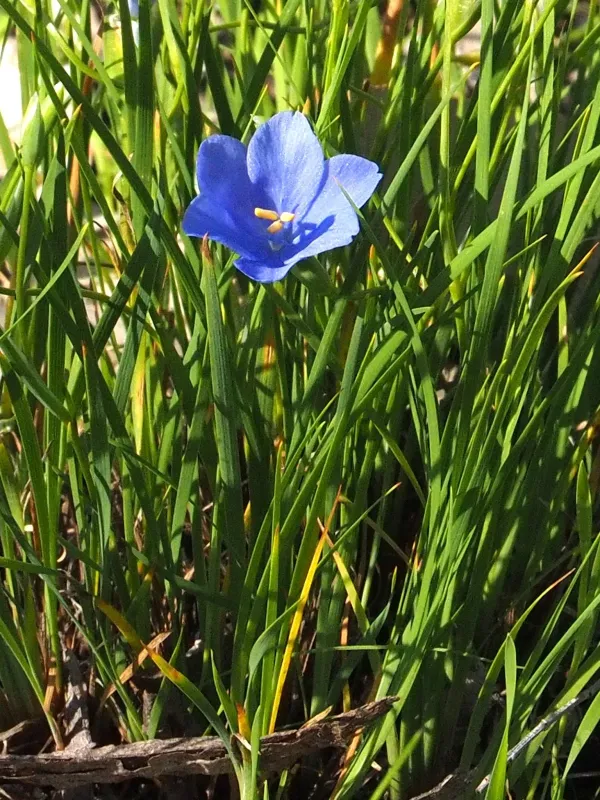
Description
Sowing dates
Orthrosanthus laxus is propagated primarily through seeds or by dividing the rhizomes. Seeds should be sown in early spring in a protected environment, maintaining a germination temperature of approximately 18-20 degrees Celsius.
When sowing, seeds are lightly covered with substrate, as moderate humidity and access to light are necessary for successful germination. Young plants require transplanting into individual pots after the emergence of the second pair of true leaves.
In regions with mild climates, late-autumn sowing directly into the open ground is possible, provided that mulching is used. This process facilitates natural stratification, which is essential for uniform seedling emergence in the spring.
Vegetative propagation by division is recommended to be carried out in early spring, before active sap flow begins. The rhizome is carefully extracted from the soil and divided into segments, ensuring each piece has at least two healthy growth buds.
The divided plants should be spaced 30-40 centimeters apart to provide enough space for the development of a strong root system and the growth of healthy leaf rosettes.
Growing requirements
This species belongs to the Iridaceae family and is native to the flora of southwestern Australia. It prefers well-lit locations but can tolerate partial shade in regions with intense midday sunlight.
The soil for Orthrosanthus should be light, well-draining, and have a neutral or slightly acidic pH. Waterlogging at the root collar is detrimental to the plant, so creating a drainage layer is mandatory in heavy clay soils.
Orthrosanthus is sensitive to temperature fluctuations and does not tolerate severe frost. In temperate climates, it is typically grown as a container plant or requires winter protection to prevent freezing damage.
During the growing season, the plant needs moderate but regular watering. The soil should be allowed to dry slightly between waterings, mimicking the natural environmental conditions of its native habitat.
Fertilization is carried out with complex mineral fertilizers with low nitrogen content twice per season: at the beginning of the active growth phase and immediately after flowering to stimulate bud formation for the following year.
Main diseases and pests
The main threats to Orthrosanthus laxus are fungal diseases caused by excessive soil moisture. Root rot and Fusarium wilt can rapidly destroy the plant if soil aeration is insufficient.
To prevent rot, avoid overcrowding the plantings and perform regular cultivation of the topsoil. If signs of infection appear, affected parts should be removed, and the bushes treated with systemic fungicides.
Pests commonly found on this crop include aphids and spider mites, especially during dry periods or in greenhouses with low humidity. Appropriate insecto-acaricides should be used for their control.
Slugs and snails can damage young leaves by eating the edges. Using barrier protection, such as gravel mulching, or installing traps around the plants during the active growth period is highly recommended.
Regular monitoring of the leaf blades allows for the early detection of pest infestations, preventing them from spreading across the entire garden bed or decorative plantation.